


Blog
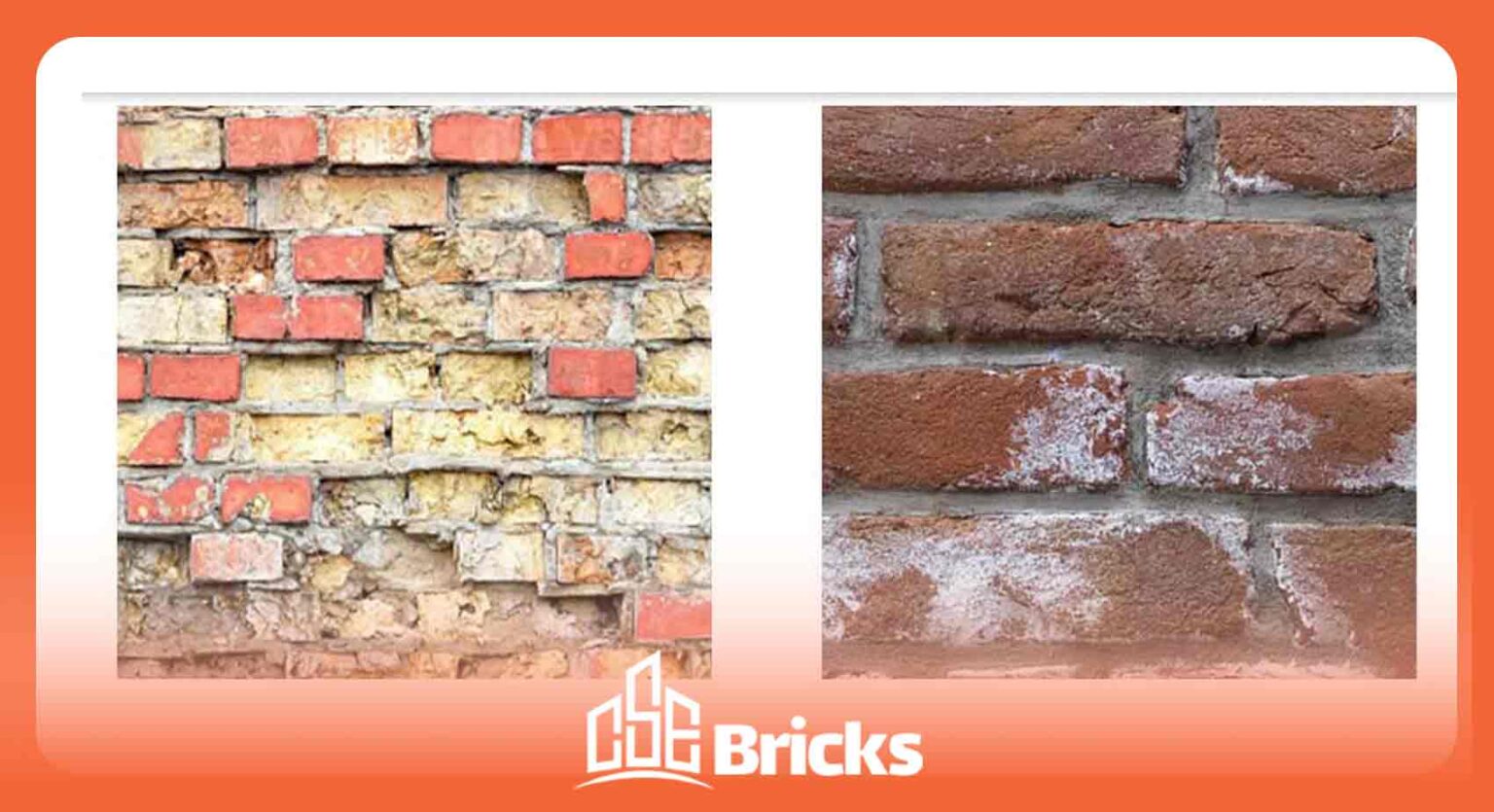
What problems threaten your bricks?
The cause of brick diseases is often the presence of salts and impurities that are used as raw materials during brick production. In this post, we will examine the most common problems that may occur with bricks.
The bricks used in your building’s construction define the identity of your structure. In fact, these bricks are what make up your structure and protect you from cold and heat, earthquakes, and more. Therefore, it is your right to be aware of brick diseases and to know the necessary steps to prevent and address them.
Know the Diseases of Bricks:
Bricks are designed to be flexible and durable under harsh conditions. However, your bricks may face diseases or issues that can reduce their strength and efficiency. Two of the most important problems are efflorescence (white salt deposits) and algae. We will discuss these two issues in the following sections.
What is Efflorescence?
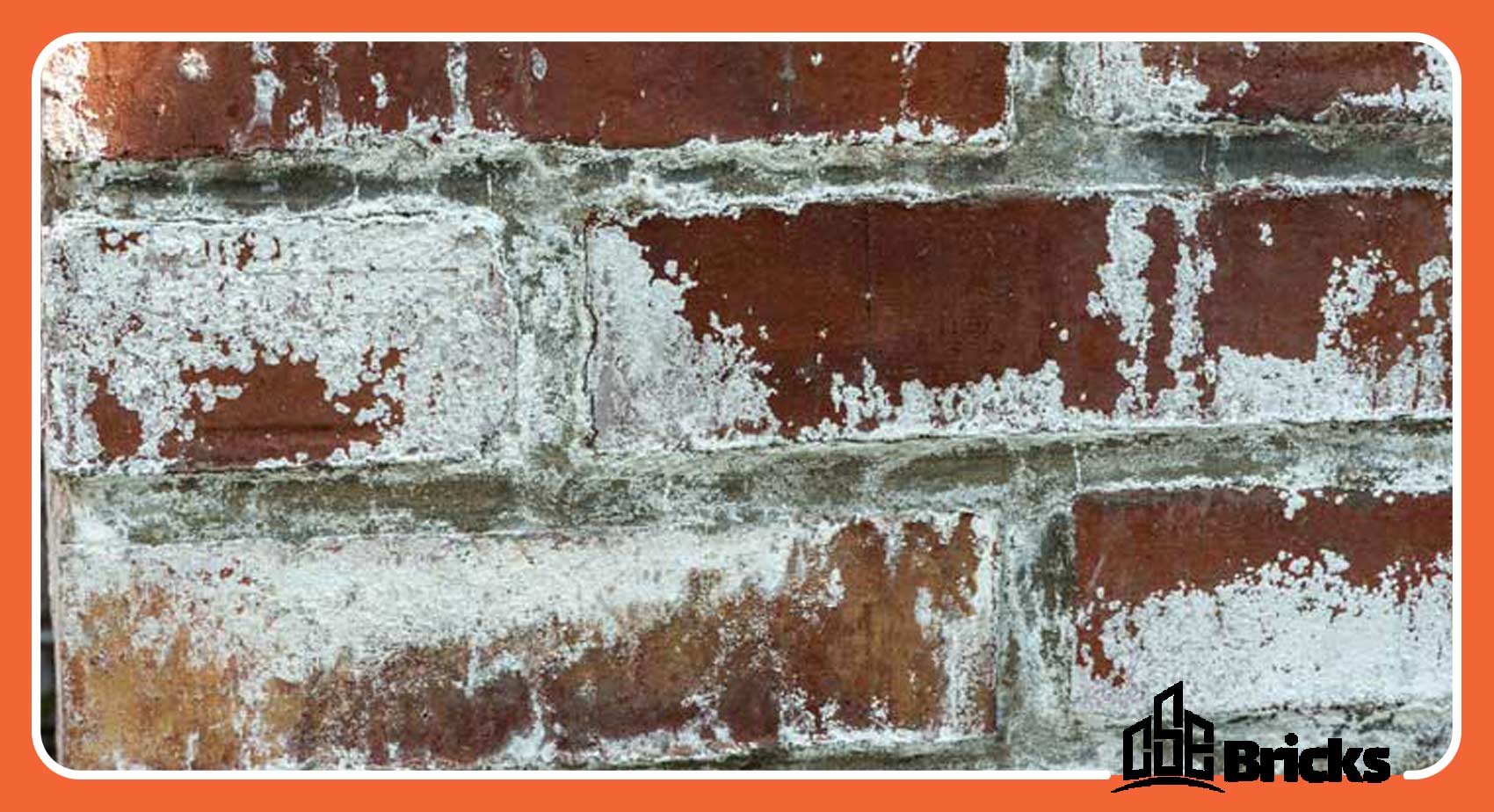
As mentioned earlier, the cause of brick diseases is the salts and impurities used in brick production. Efflorescence in bricks is also due to impurities in the clay, which, after the brick is produced, result from reactions occurring in the presence of moisture. These impurities often come from salts present in the soil itself. To prevent this issue, it is recommended that if you are a brick manufacturer, you should test the raw materials you plan to use before starting production, to ensure their quality. If you are a brick buyer, make sure to purchase from places where you have complete confidence in the quality of their bricks.
(mojarab machinery manufacturers test their raw materials before offering their production lines to esteemed producers to ensure complete quality assurance.)
Types of Efflorescence:
Efflorescence on bricks can have multiple causes, which have led to categorizing brick efflorescence into different types.
-
Carbonate Efflorescence
This type of efflorescence occurs due to the absorption of lime water from cement and lime mortars by the brick and its combination with carbon dioxide, resulting in the formation of calcium carbonate in the brick. The formed calcium carbonate causes efflorescence on the brick and is considered a brick disease. To prevent this type of efflorescence, it is recommended to soak the bricks in water before use to ensure they are saturated and do not absorb the lime water from the mortar. If you did not do this before building the wall, you can spray the surface of the newly built wall with water before it rains.
-
Chloride Efflorescence:
Chloride efflorescence is less common in bricks and rarely occurs. The formation of this type of efflorescence is due to the presence of chlorine in the materials or water used. To prevent this issue, it is recommended to ensure that the water used for mixing mortar or construction is free of chlorine.
-
Sulfate Efflorescence:
The combination of water and gypsum in construction can cause sulfate efflorescence. In fact, groundwater and rainwater infiltrating brickwork can cause sulfate deposits, leading to efflorescence on the bricks. The recommended solution for this issue is to avoid using sulfate-containing bricks, gypsum mortars, and sulfate-containing water.
-
Nitrate Efflorescence:
Bricks made from nitrate-containing soil or those in which the water and sand used in the mortar contain nitrates may develop nitrate efflorescence. The presence of nitrates in the raw materials causes the brick to absorb moisture, leading to damp walls. After drying, this results in efflorescence on the brick’s surface.
Alveolar Efflorescence in Bricks
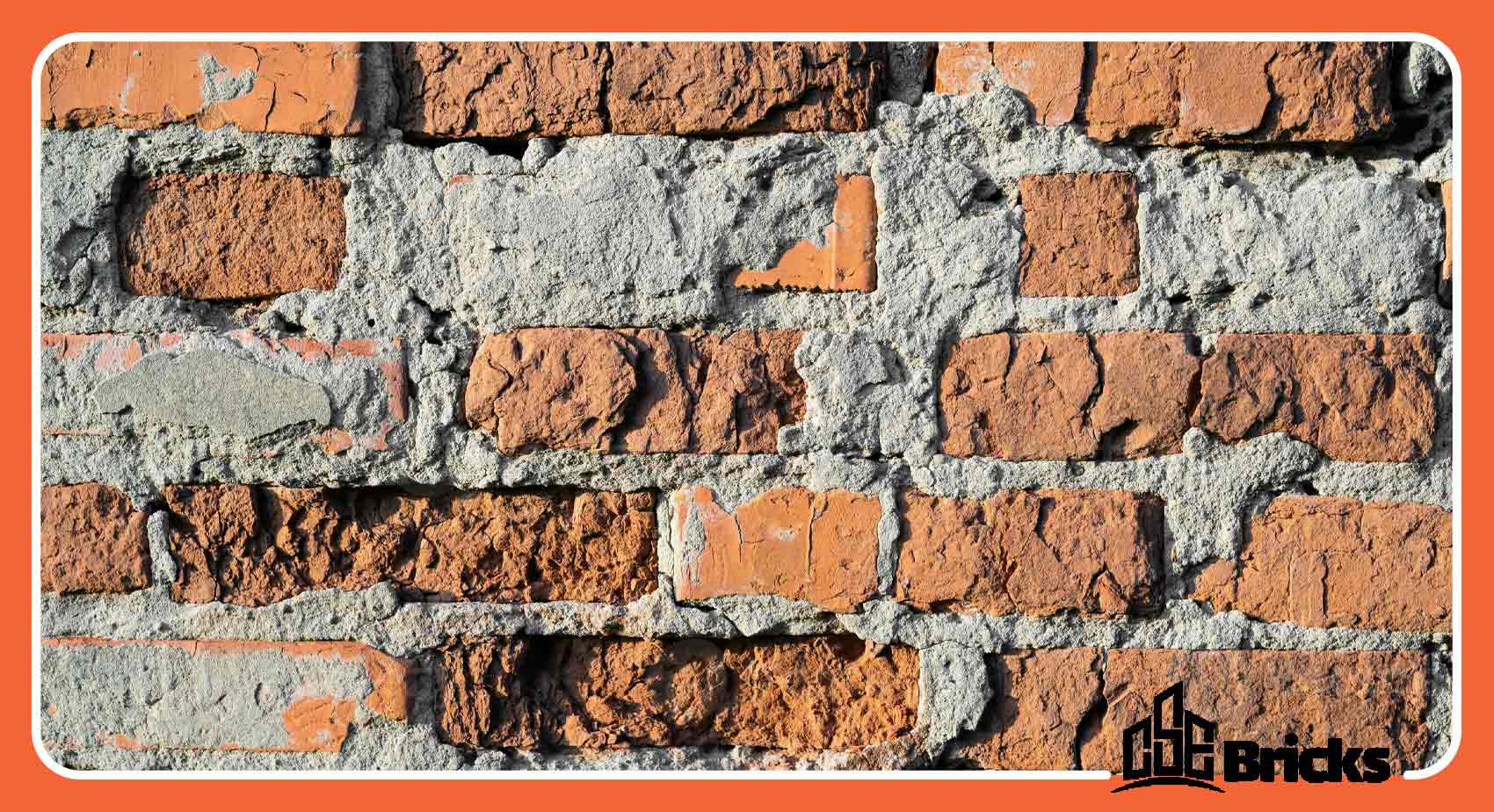
Another issue that threatens the durability of your brick structures is alveolar efflorescence. What is alveolar efflorescence in bricks? It refers to the chipping of bricks caused by the presence of lime in the raw materials. In the clay used for producing most bricks, there is some amount of lime. If the lime content is low, it does not cause any issues for the bricks and merely lightens their color. However, if the lime content exceeds a certain level, it leads to the formation of alveolar efflorescence. Lime impurities in brick kilns react with carbon dioxide gas. As a result, parts of the brick swell and separate from the brick, or the brick becomes chipped.
How to Prevent Alveolar Efflorescence in Bricks
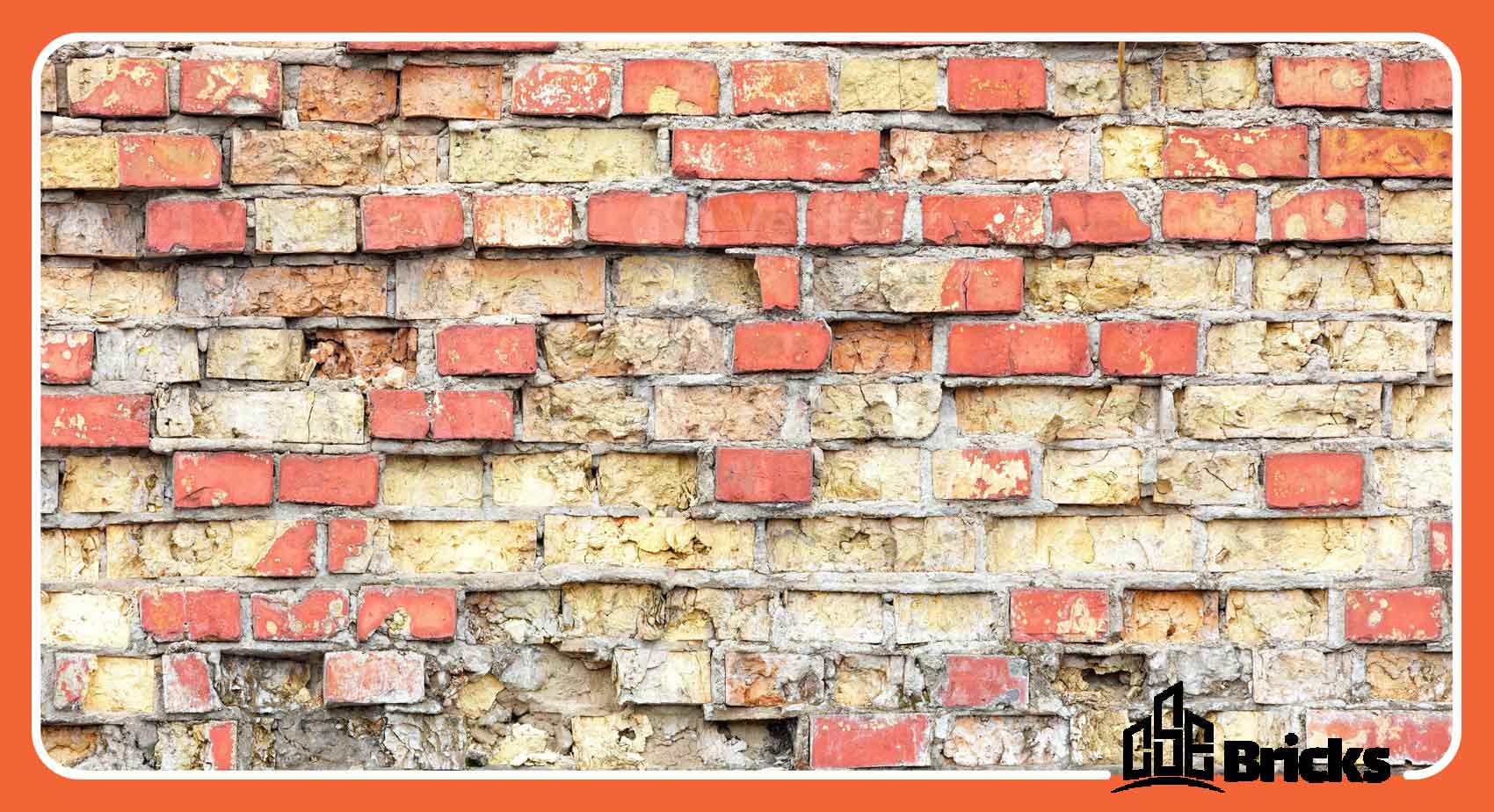
The most important step before purchasing bricks is to ensure the quality of the raw materials used in their production. It is recommended to buy from manufacturers whose brick quality you are confident in and whose products are free from brick diseases. Another method is to soak the bricks in water before using them in wall construction. This way, if your bricks have alveolar efflorescence, you will become aware of it.
If you have also experienced issues with bricks, please share your thoughts in the comments section so we can address the solution.