


Blog
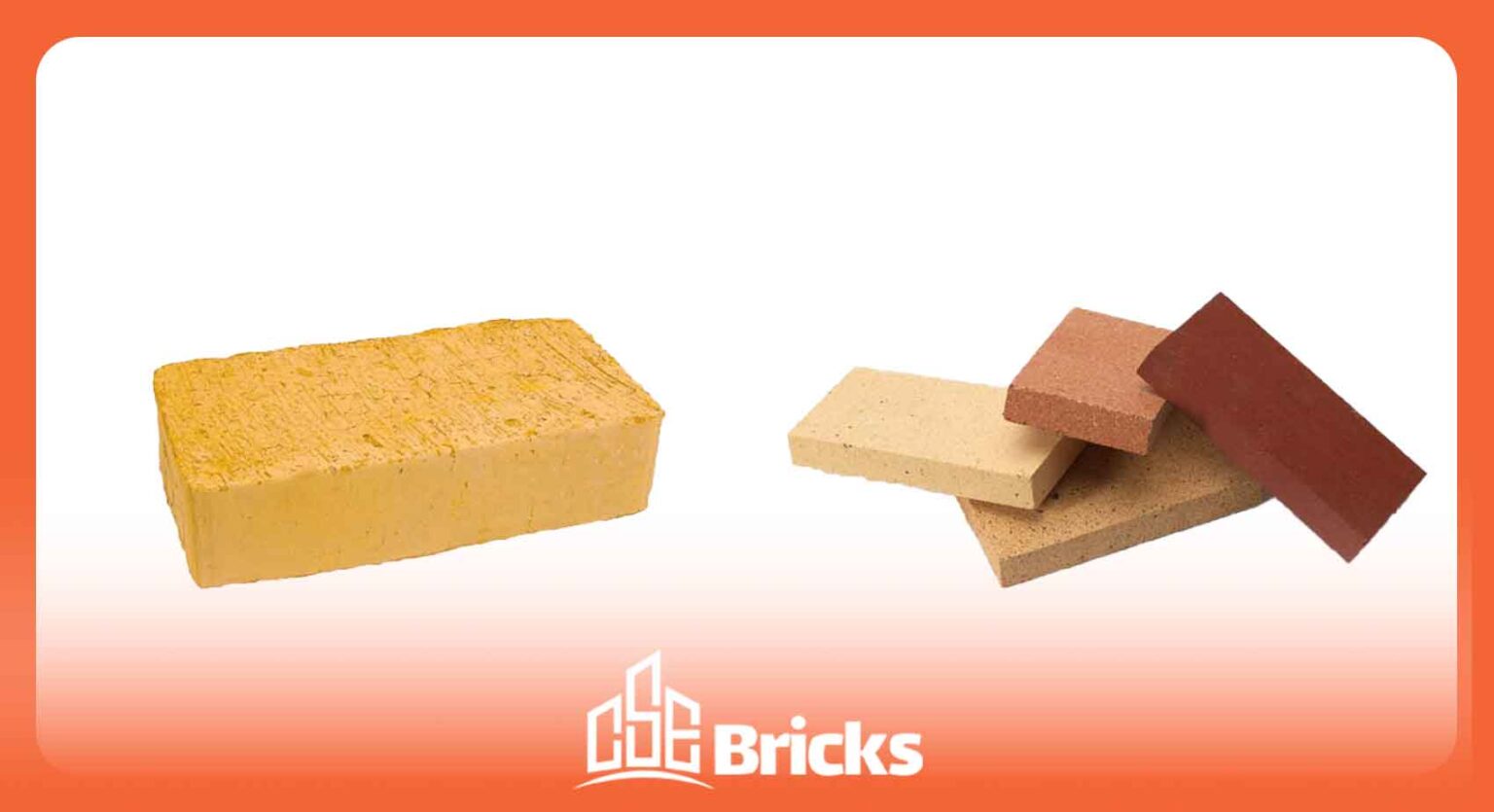
Six of the Most Important Differences Between Facing Bricks and Regular Bricks:
Reviewing and understanding the differences between firebricks and regular bricks will help you make better decisions when choosing them as suitable materials for constructing different parts of your home.
Construction is one of the most important urban planning actions around the world, where quality must come first. To maintain the quality of a structure, we must be very careful in choosing building materials. One of the most widely used materials are regular bricks and firebricks. However, each must be used in construction according to its quality and application. Therefore, in this article, we will examine the differences between regular bricks and firebricks and their uses.
What is a Firebrick?
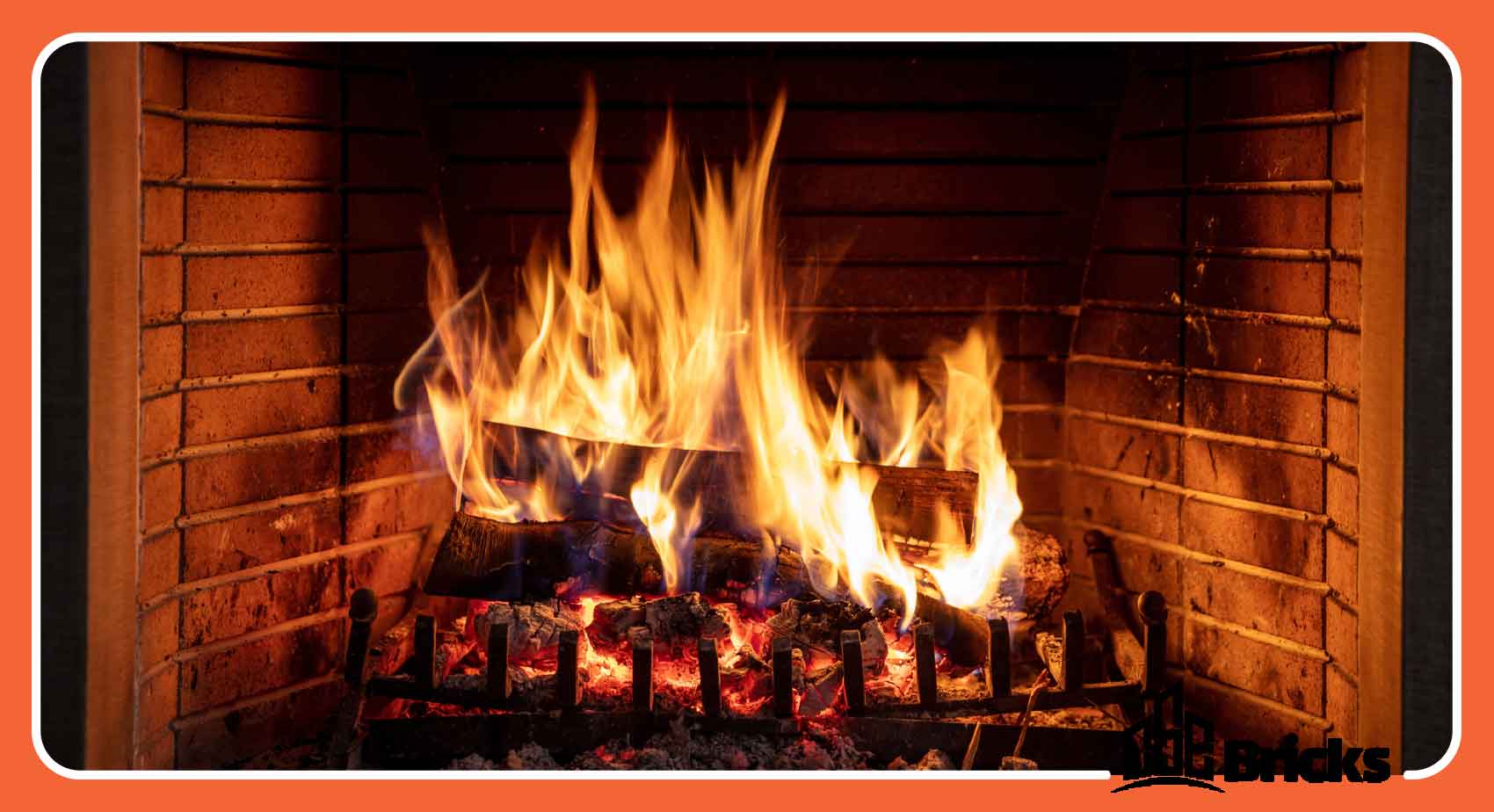
First, let’s introduce firebricks so you know what we mean when we talk about fire-resistant bricks. In fact, firebricks are made from refractory minerals and aggregates, which is the main reason for their high resistance to fire and heat. In the production of firebricks, specific proportions of aluminum oxide, silica, silicon dioxide, and alumina are used. This product is categorized into light and heavy bricks and shows significant strength against high temperatures. These materials are used in wall construction, fireplace design, furnaces, and fireboxes.
suggested article: read about “types of brick” in this article.
Difference Between Firebricks and Regular Bricks
You might wonder whether it is better to use firebricks or regular bricks for the facade of your house or structure. Below, we will examine the differences to help you find the answer.
-
Ingredient
The most important factor differentiating various bricks is their primary composition. As mentioned, firebricks are made from raw materials such as silica, aluminum oxide, and others. On the other hand, regular bricks are made from clay.
-
Facing Bricks vs Regular Bricksin Color Variety
Regular bricks are made from clay and are primarily red in color. However, fire-resistant facing bricks are available in brown, red, yellow, white, and black colors.
-
Impact Resistance
In the production process of firebricks, they are treated at high temperatures and with high density. As a result, these bricks have greater strength and resistance to impact and scratching. Therefore, using them for house facades means less damage and maintaining the beauty of your home for a longer time.
-
Sound Insulation
As mentioned, the density of firebricks is higher than that of regular bricks, so they do not transmit sound. However, regular bricks do transmit sound. Therefore, another difference between firebricks and regular bricks is their sound insulation capability.
-
Heat Resistance
Regular bricks can generally withstand temperatures up to 1400 degrees Celsius. However, as the name suggests, firebricks can withstand much higher temperatures and do not burn.
-
Moisture Absorption
Most building materials have the problem of moisture absorption, which can damage the structure over time. Regular bricks fall into this category as well. Therefore, they are not a good choice in regions with humid climates. However, firebricks, due to their high density and the absence of lime in their raw materials, have good resistance against moisture.