


Blog
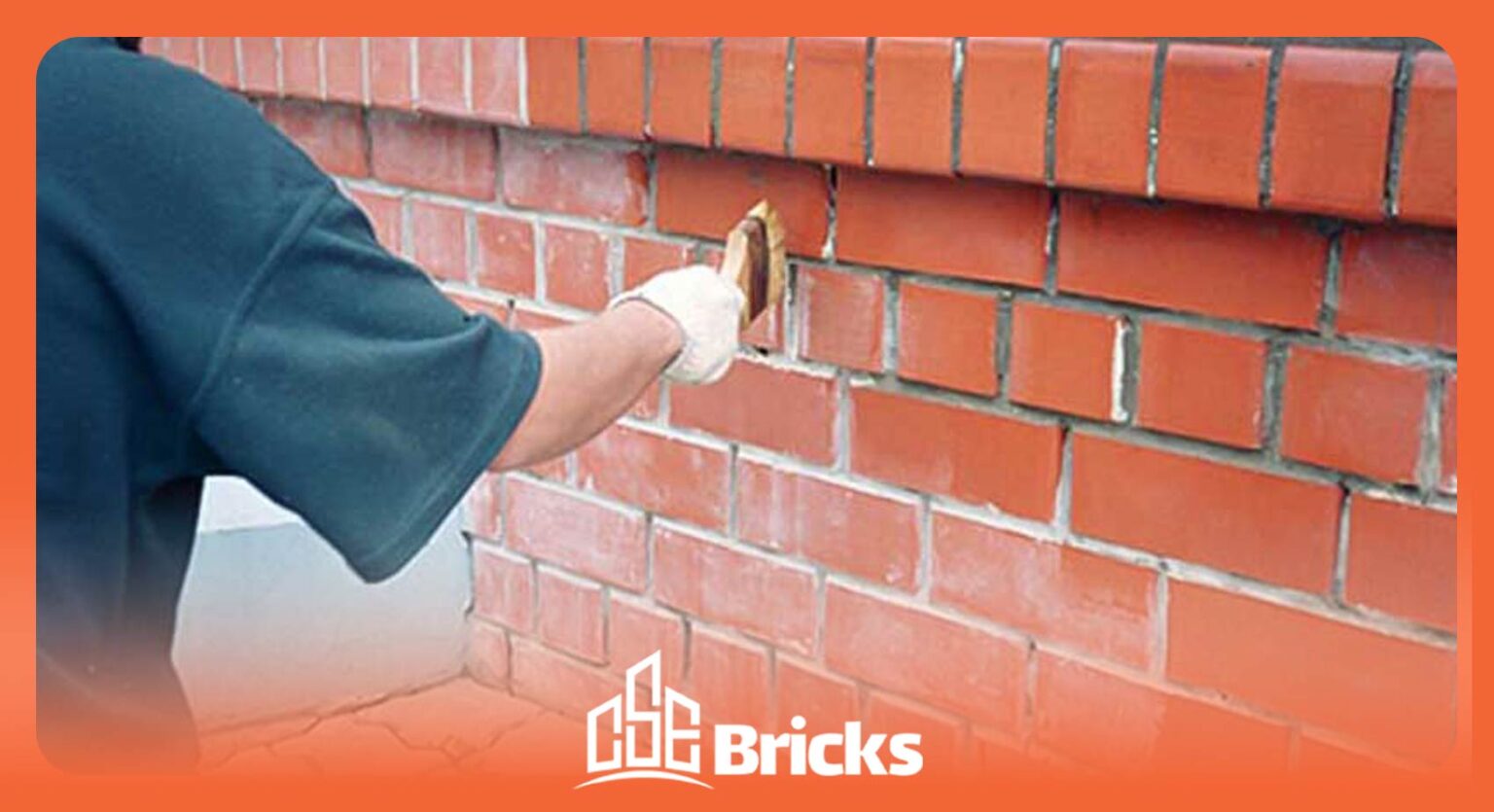
? How to clean efflorescence and white deposits from brick walls
One of the behaviors of bricks that manifests over time in bricks and brick facades is efflorescence. In this article, we will examine the causes, prevention methods, and ways to clean efflorescence from brick walls.
One of the issues that can affect the health and aesthetics of bricks is the formation of efflorescence or white deposits on them. However, this should not be a cause for concern, as there are various methods to prevent and remove efflorescence from brick walls. By following these methods, you can avoid brick efflorescence.
?What is efflorescence or white deposits on brick walls
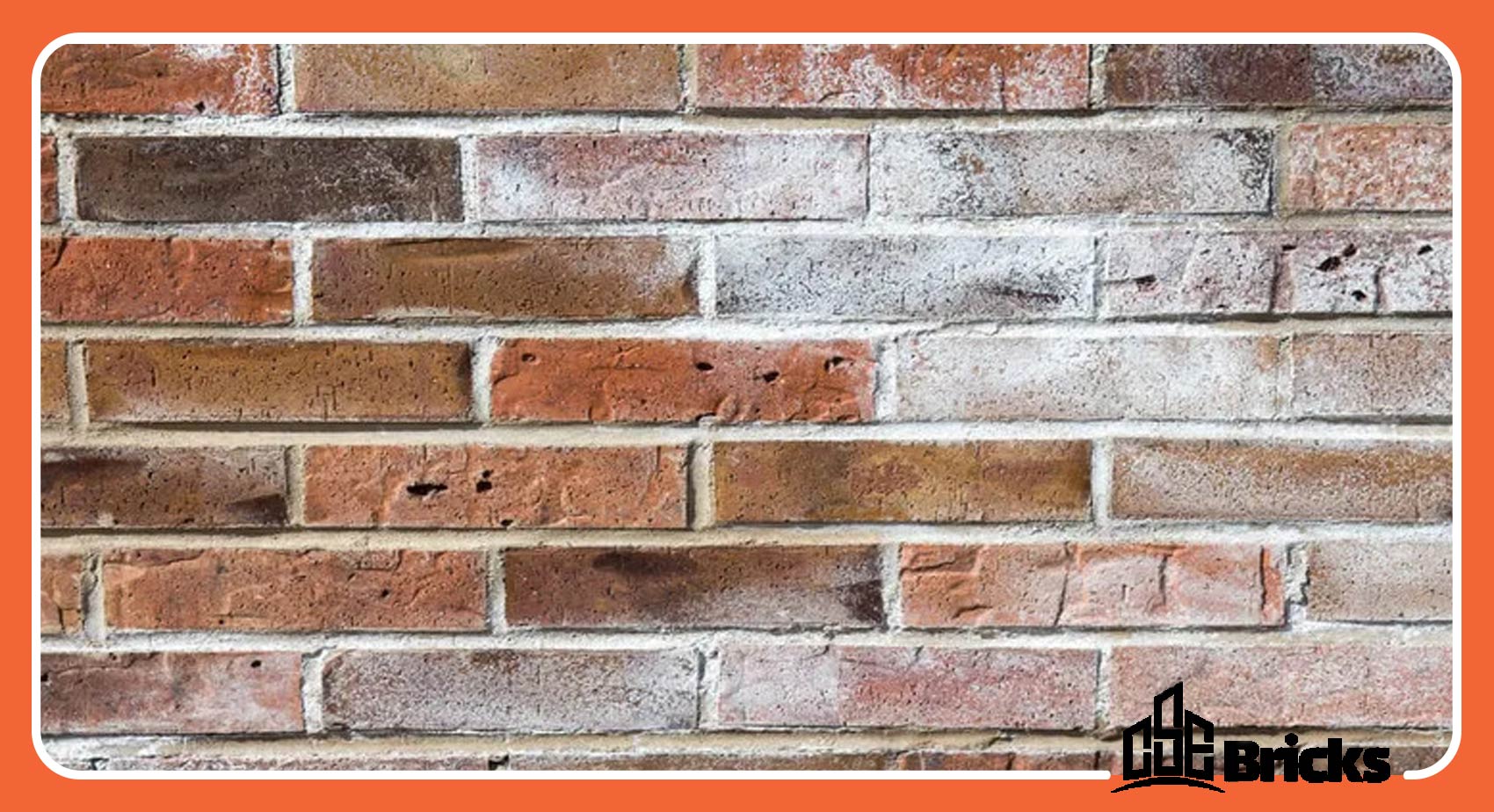
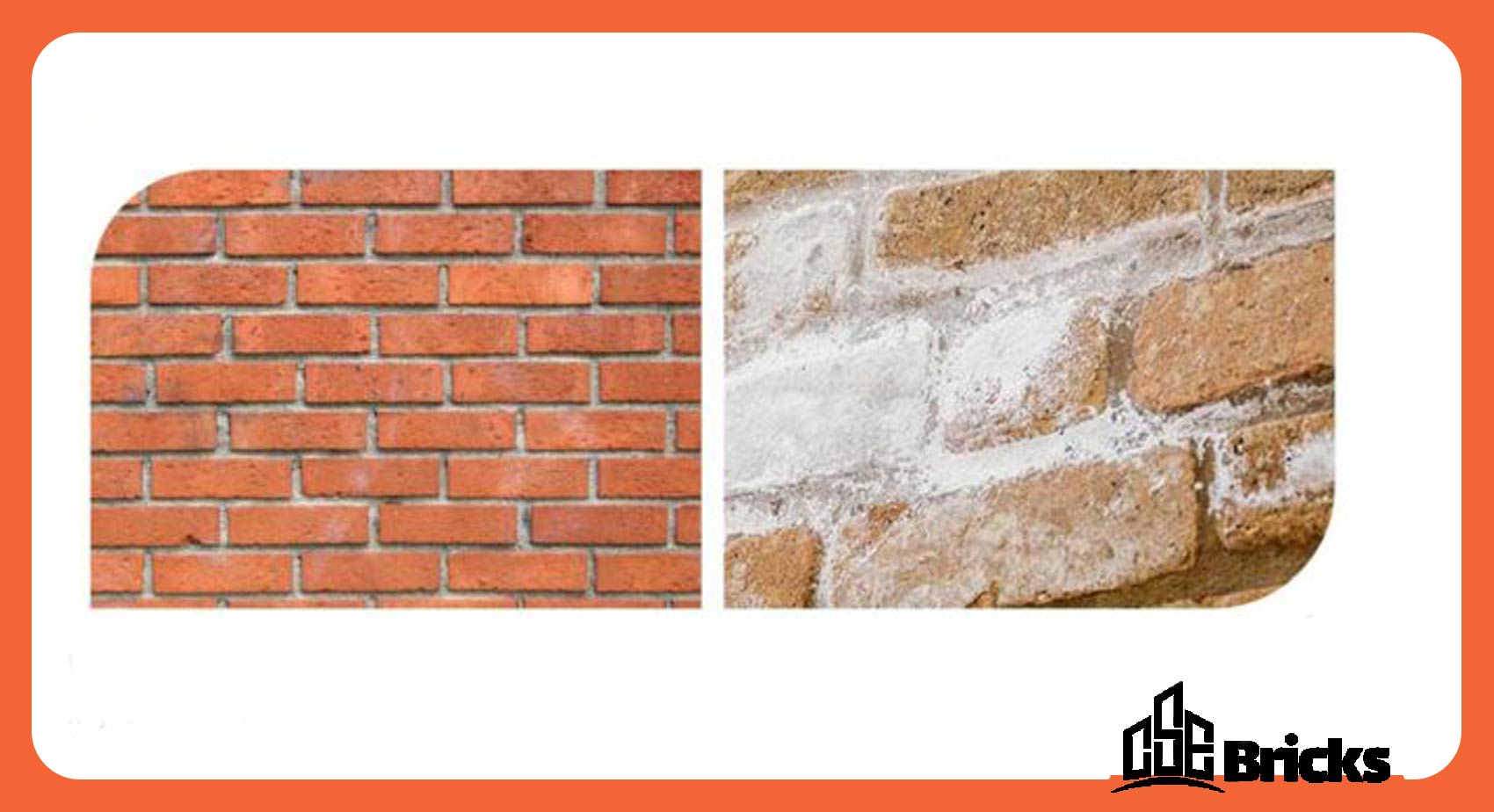
You may have noticed white or gray spots on the bricks of your building’s walls. These spots are known as efflorescence, caused by moisture and dampness. The presence of these spots indicates the low quality of the brick veneer. Generally, these spots are white, but depending on the cause, they can also appear green or gray. Bricks that develop efflorescence often contain non-standard raw materials.
Efflorescence on walls is more commonly observed in humid areas and less in hot, dry regions. This is because in dry regions, moisture evaporates before reaching the surface of the wall, preventing the formation of efflorescence. Therefore, if you live in a humid or damp climate, you should be more vigilant about this issue.
?What causes efflorescence to form
The main reason a brick develops efflorescence is due to water-soluble salts, which deposit and cause the white spots to appear. In the following, we will examine the reasons and materials that cause efflorescence on bricks.
:Water-Soluble Salts
:As mentioned earlier, water-soluble salts cause efflorescence on bricks. These spots are formed when rain droplets hit the wall and leave their marks after drying. The salts include
- Manganese oxide, primarily sourced from the bricks themselves.
- Calcium sulfate, originating from the salts within the bricks.
- Potassium chloride, vanadium chloride, and vanadium sulfate, formed as a result of brick cleaning with acid.
Mortar Used in Wall Construction
Another reason for the formation of efflorescence on brick walls is the mortar and grout used during wall construction. To address and prevent efflorescence on brick walls, you need to determine whether the issue stems from the cement itself or its reaction with the bricks. The salts in the cement mortar that cause efflorescence include:
- Calcium hydroxide present in the cement.
- Calcium carbonate, the primary source being the cement or concrete used in wall construction.
- Sodium carbonate found in the grout mortar.
- Potassium sulfate resulting from the reaction between terracotta bricks and cement.
- Sodium sulfate also formed due to the reaction between bricks and cement.
- Iron oxide resulting from contact with iron.
Ways to Remove Efflorescence from Brick Walls
So far, we’ve covered everything you need to know about efflorescence; now it’s time to dive into the methods for removing efflorescence from brick walls. Stay with us as we explore the solutions!
-
To Remove Efflorescence from Bricks, Wash with Water:
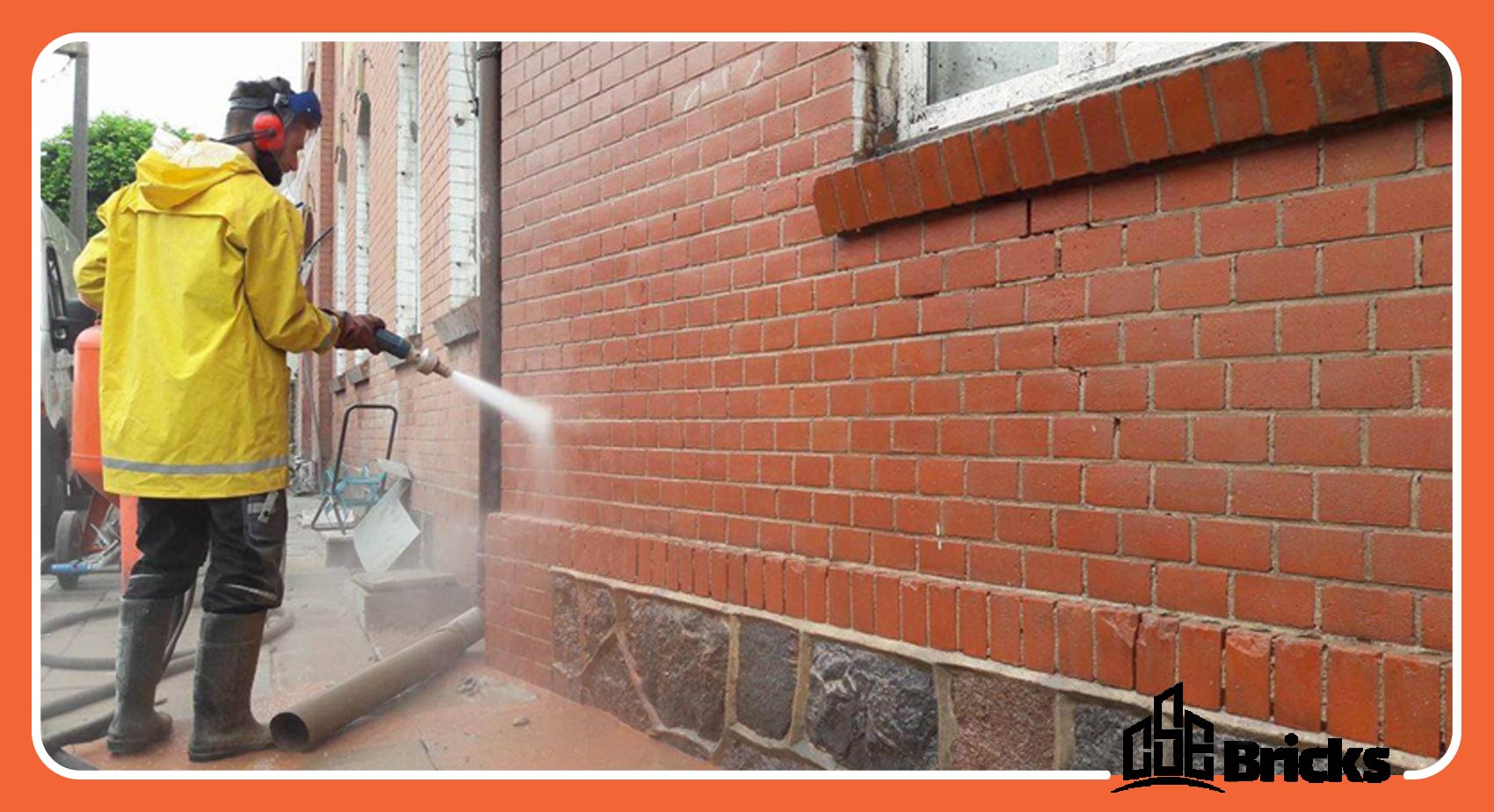
Our first recommended method is to wash the bricks with high-pressure water, which is an easy and low-cost solution. However, if you choose this method, you need to ensure that the wall dries completely after washing and no moisture remains on it, as this moisture can cause the efflorescence to reappear.
It’s suggested to do this during the warm season and during the day so that your wall dries quickly.
-
Wash the Wall with Acid:
Acidic substances can also be effective in cleaning efflorescence from brick walls. However, if you choose this method, you need to know the cause of the efflorescence beforehand because some salts react with acid and not only don’t disappear but also worsen the efflorescence. The best acidic substance recommended for cleaning bricks is vinegar because it is less harmful than other chemicals and is readily available in most homes.
In addition to vinegar, you can also use a solution of muriatic acid and water at a 1:12 ratio, or a solution of sulfuric acid and water at a 1:9 ratio. After washing the brick surface with acid, rinse the surface again with water.
-
Remove Efflorescence Using a Dry Brush:
Using a dry brush is a traditional yet effective method for removing efflorescence. First, prepare the area and cover the surroundings with suitable protective material. Then, slightly moisten the brick surface with some water to make it easier to remove the efflorescence. Finally, use a brush and make circular or up-and-down motions to clean the efflorescence from the wall. Be careful not to apply too much pressure to avoid damaging the bricks.
-
Remove Efflorescence from Brick Walls Using Sandblasting:
Unlike the methods we’ve introduced so far, sandblasting is an advanced and modern technique for removing efflorescence from brick walls. In this method, air or water and fine sand particles are used to clean the bricks. We recommend using this method for large surfaces and opting for other methods for smaller areas, as sandblasting can be costly.
It is suggested to apply one or more layers of waterproof resin to the brick surface after sandblasting.
:Ways to Prevent Efflorescence on Bricks
It’s always wiser to prevent efflorescence from forming rather than seeking ways to remove it from brick walls. Here are some effective methods to prevent brick efflorescence:
- Use high-quality, efflorescence-resistant mortar.
- Apply nano-coatings to prevent moisture penetration into the bricks.
- Use the minimum amount of water possible in the grout mixture.
- Insulate the lower part of the wall that connects to the ground to prevent ground moisture from reaching the wall.
- Purchase bricks from reputable manufacturers who ensure that their raw materials have low salt content.
- Reduce alkaline sulfates in the clay used to make bricks and grout.
The Best Solution: Using interlocking (CSEB) Bricks
Regardless of whether you’re using preventative methods or those aimed at removing efflorescence from brick walls, they all entail additional costs. But if we told you there’s a way to save on these extra costs, it would surely catch your interest.
In fact, interlocking bricks are a new type of material that, upon entering the construction market, have revolutionized the industry with their unparalleled advantages. They are an excellent replacement for traditional materials. The raw materials used in interlocking bricks do not contain salts, and they do not require mortar for connecting the bricks to each other. As a result, there is no chance of interlocking bricks developing efflorescence. With this simple solution, by purchasing and using interlocking bricks, you no longer need to worry about preventing or removing efflorescence from your brick walls.