


Blog
Types and Applications
Familiarizing yourself with the different types of wall coverings and their benefits will help guide you in choosing the best materials for designing your home. Our goal in writing this post is to introduce the various types of wall coverings and examine them.
What is Wall Covering?
A wall covering is a protective or decorative material applied to the surface of a wall. Wall coverings can be made from various materials such as wallpaper, paint, wood, and more. The appearance of walls, ceilings, and floors significantly impacts the aesthetic appeal of a home. Wall coverings enhance this by providing protection and beauty when applied to these surfaces.
Why should we use wall coverings?
One of the most delicate areas of a home that, if it becomes dirty or damaged, can significantly impact the overall beauty of the decor is the wall. If the wall of the house also faces these issues, you will need to spend a lot of money on it. Therefore, it is much more cost-effective to initially use attractive wall coverings to both give your home a major aesthetic transformation and prevent damage and dirt from reaching the wall. The variety of colors in wall coverings gives you great freedom in choosing, allowing you to match them with your home decor according to your taste. Additionally, wall coverings have quite good durability and can remain on the walls for many years. Moreover, the process of wall covering is relatively quick, and you can cover any surface you want, such as walls, ceilings, and broken surfaces, in the shortest possible time
Types of Wall Coverings
The types of wall coverings that we will review are:
• Wallpaper
• Burlap Wall Coverings
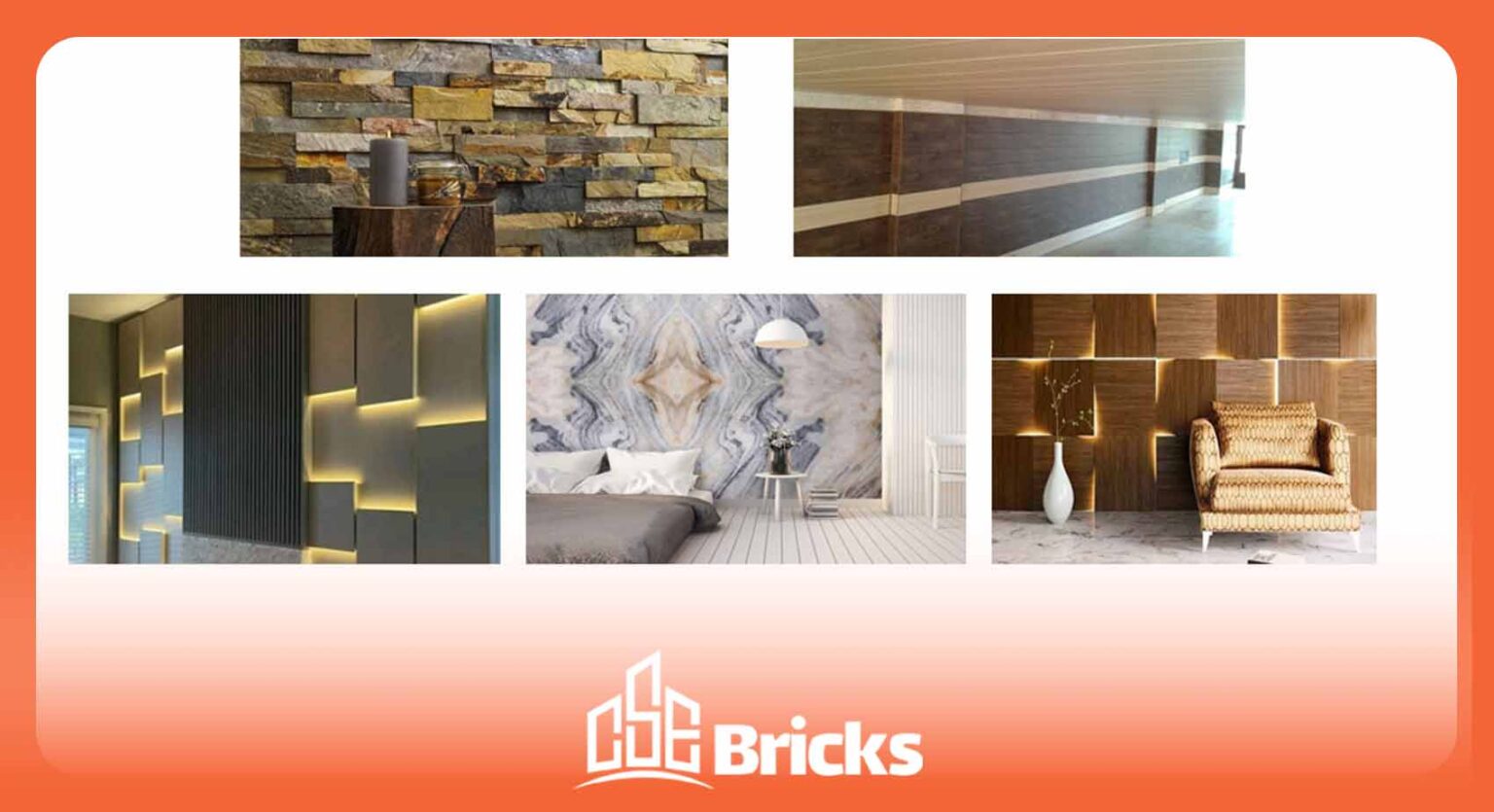
• Stone
• Acoustic Wall Coverings
• Wood Wall Coverings
• PVC (Polyvinyl Chloride)
• Leather Wall Coverings
• 3D Wall Panels
Paper Coverings (Wallpaper)
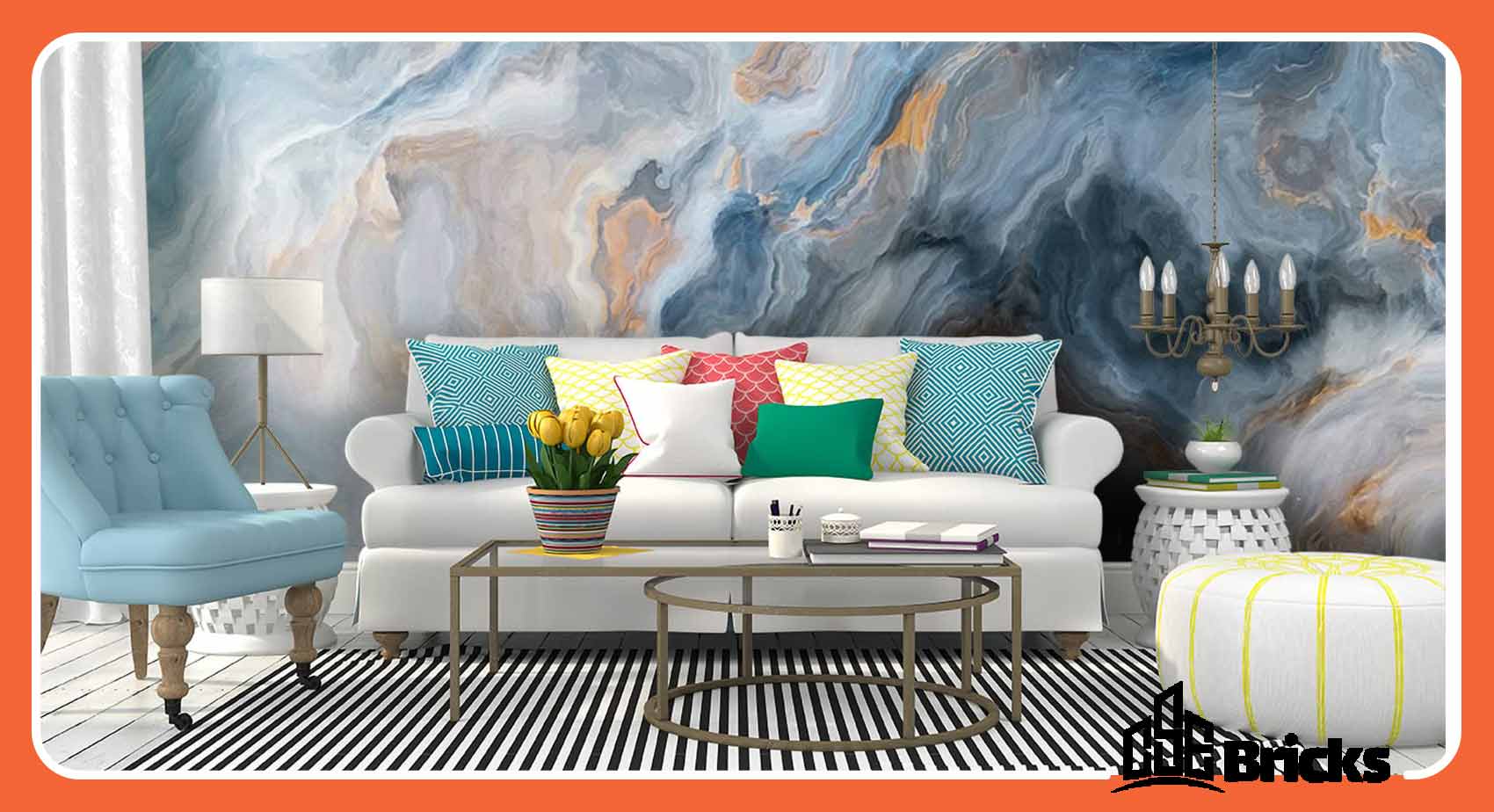
One of the most popular types of wall coverings are paper coverings, which are known as wallpaper. Wallpapers are available in a wide variety of designs and colors in the market, and you can purchase and easily install them according to your taste and suitable for your home space. As mentioned, installing wallpaper is very simple. In fact, all you need to do is first smooth and polish the wall where you want to install the wallpaper. Then apply a layer of adhesive and stick the wallpaper onto it. It is recommended to leave this task to professionals. However, if you want to do it yourself, you must do it with high sensitivity and precision. For example, you should cut the wallpaper 5 centimeters more than the height of the desired surface. You should also ensure that the layers of wallpaper are neatly aligned and at the same level.
Burlap Wall Coverings
Burlap coverings are often used for ceilings, commonly referred to as burlap ceilings. However, they can also be used on the walls of buildings. Burlap is one of the most modern types of wall coverings, which has gained a lot of popularity in recent years. You can see it in many homes, boutiques, and shops.
In addition to giving a beautiful and elegant look to the space, the installation costs are also affordable, and the installation method is simple. However, you should definitely leave the installation to professionals to ensure satisfactory results.
Stone
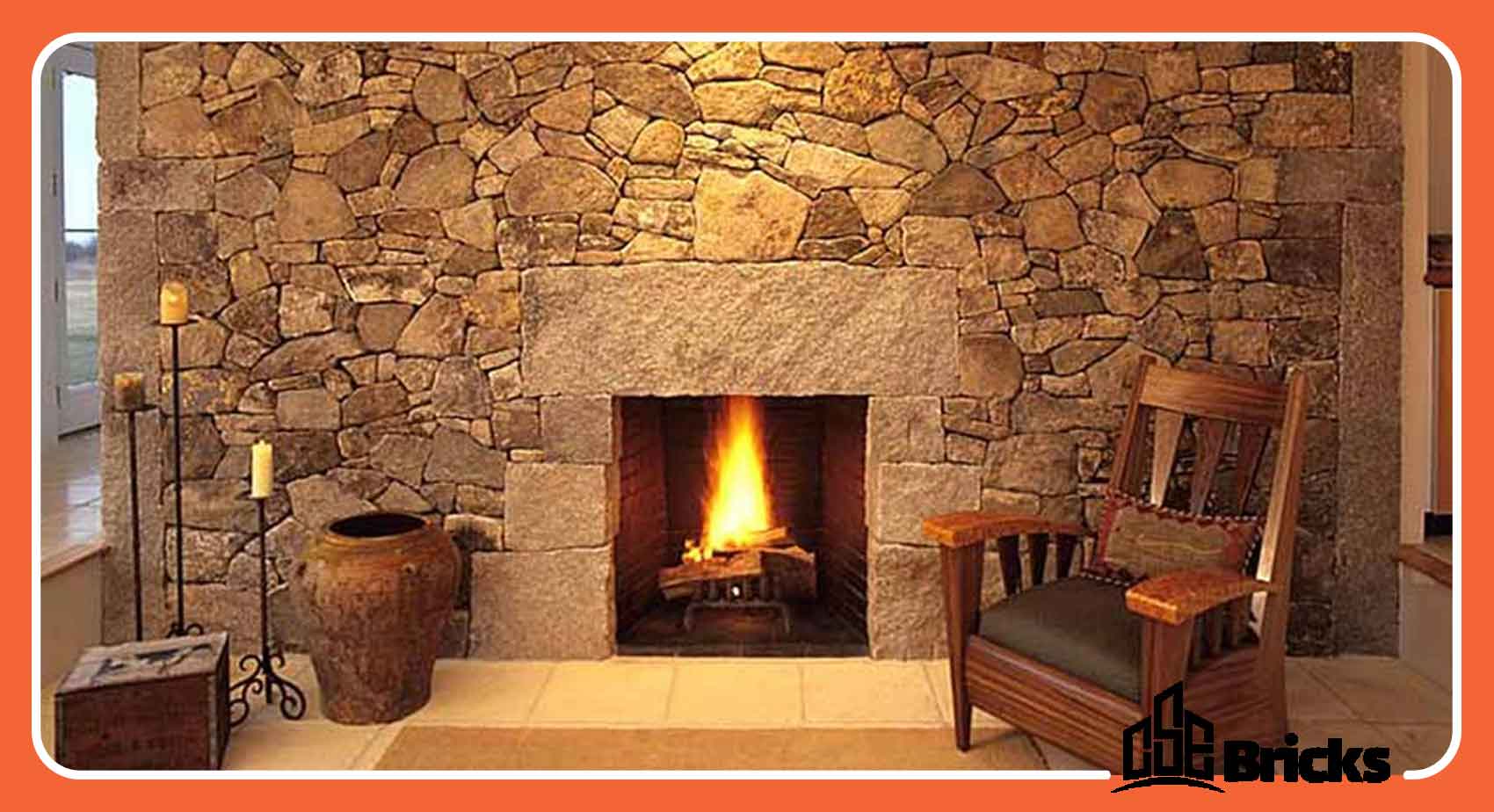
Using natural or artificial stone in wall coverings has become very popular today and can be used as decor in parts of the home or building. Ideal locations for stone wall coverings include the wall behind the television, around the fireplace, or one of the bathroom walls. One of the most important features of decorative stones is their resistance to scratching and impact.
Acoustic Wall Coverings
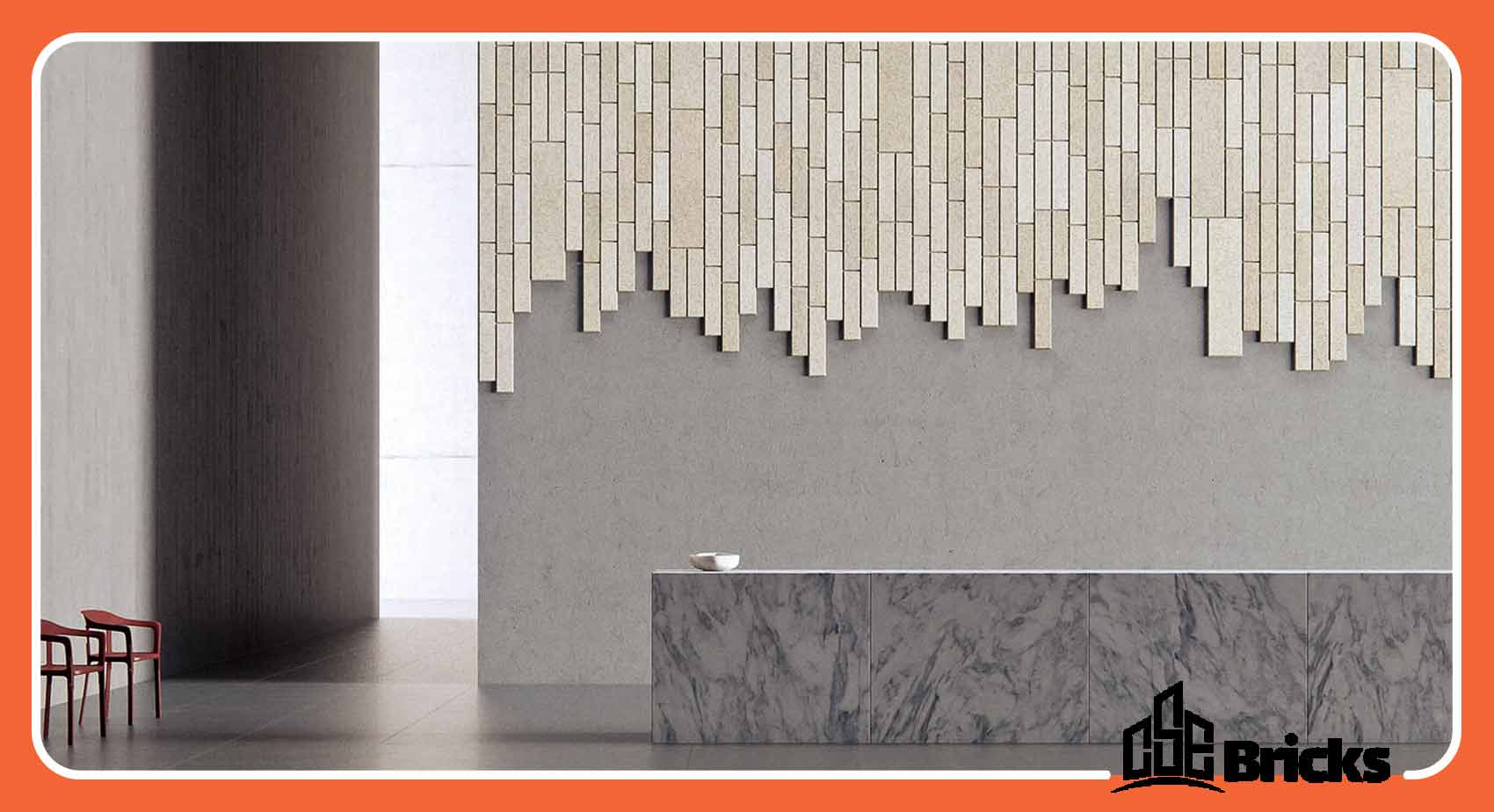
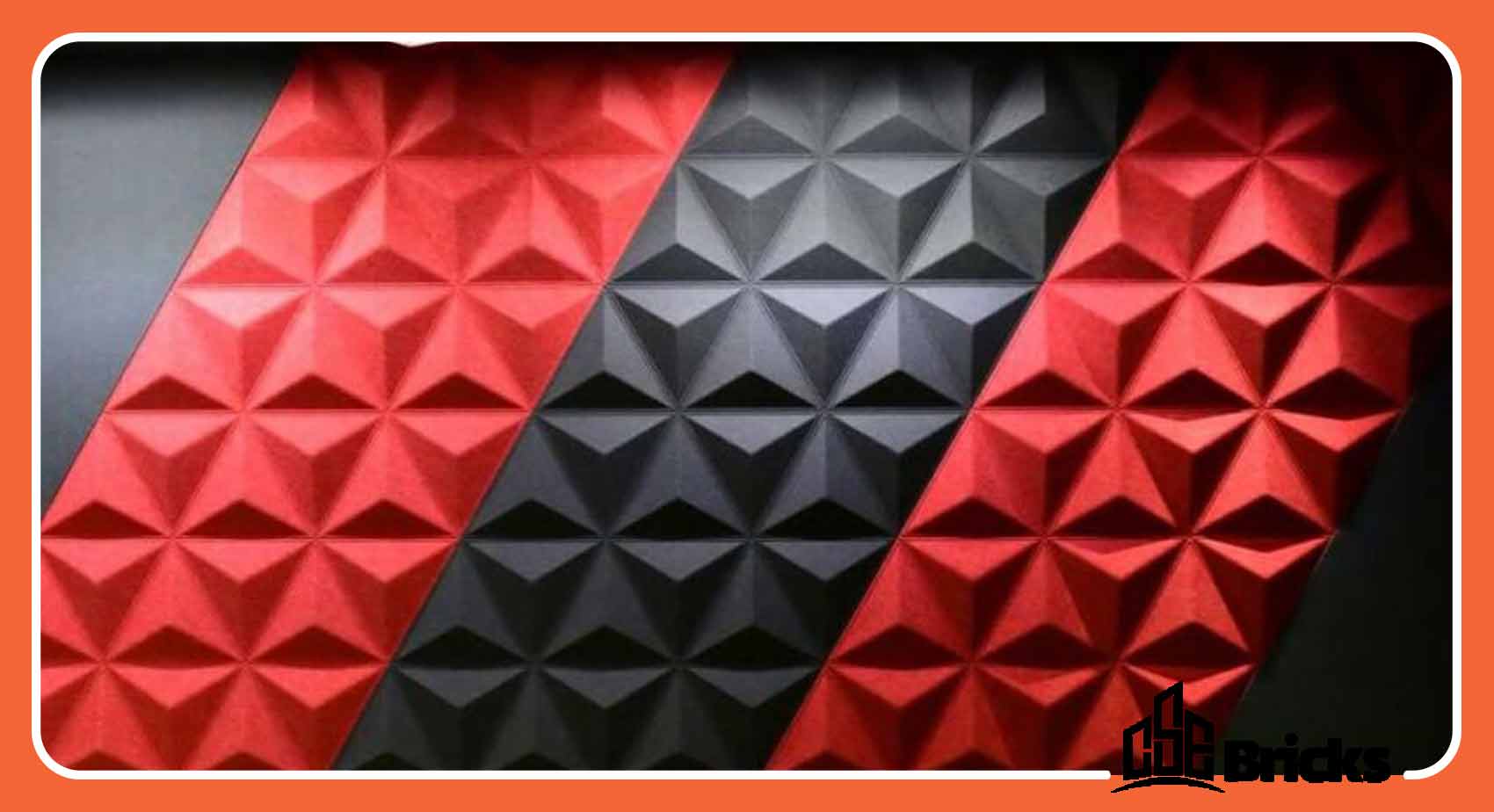
Acoustic wall coverings are used in places where sound should not pass through. Spaces such as recording studios, meeting rooms, and amphitheaters that require high sound absorption use this type of wall covering. The material of acoustic coverings is made from polyester and olefin fabrics. For installing acoustic coverings, you should use wall panels underneath them; direct installation can damage the wall.
Wood Wall Coverings
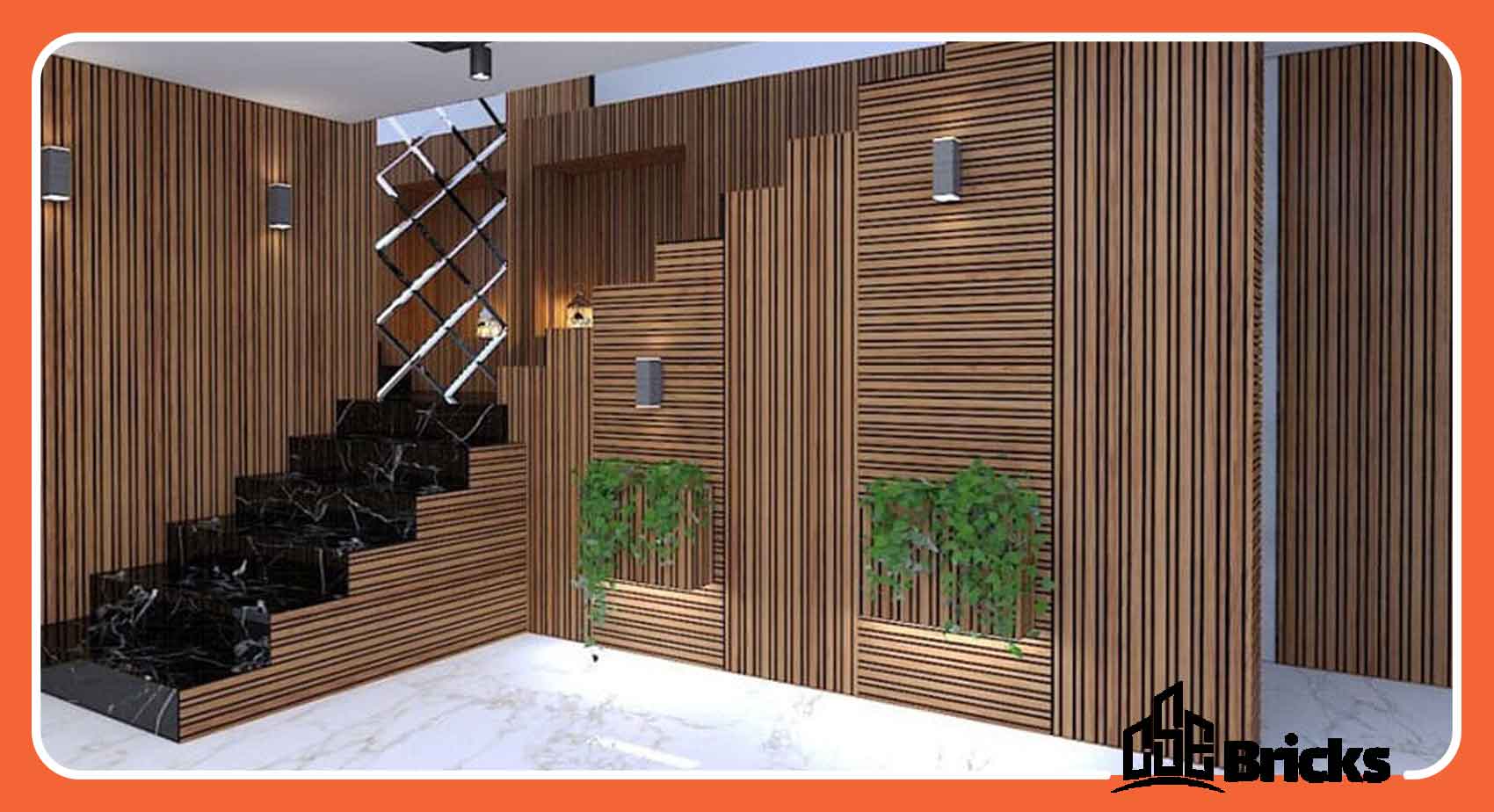
Wood wall coverings are thin and wide wooden boards available in various wood colors in the market. You can install these wooden coverings either horizontally or vertically on the surface. The benefits of wood as a wall covering include providing insulation against heat and sound and creating a warm and natural atmosphere.
However, using wood can be costly and may harm the environment. Therefore, it is recommended to use its alternative, MDF (Medium-Density Fiberboard).
PVC Wall Coverings
One of the best options for covering kitchen, bathroom, and restroom walls is PVC wall coverings, as they are highly resistant to water and fire. In fact, places that are exposed to moisture can be protected with PVC coverings. These coverings are also very resistant to heat.
Other important advantages of PVC wall coverings include durability, water resistance, easy maintenance, suitability for sanitary environments, recyclability, and wash ability. The high durability and long lifespan of PVC coverings ensure that the appearance of the structure remains beautiful and attractive for a long time.

Leather Wall Coverings
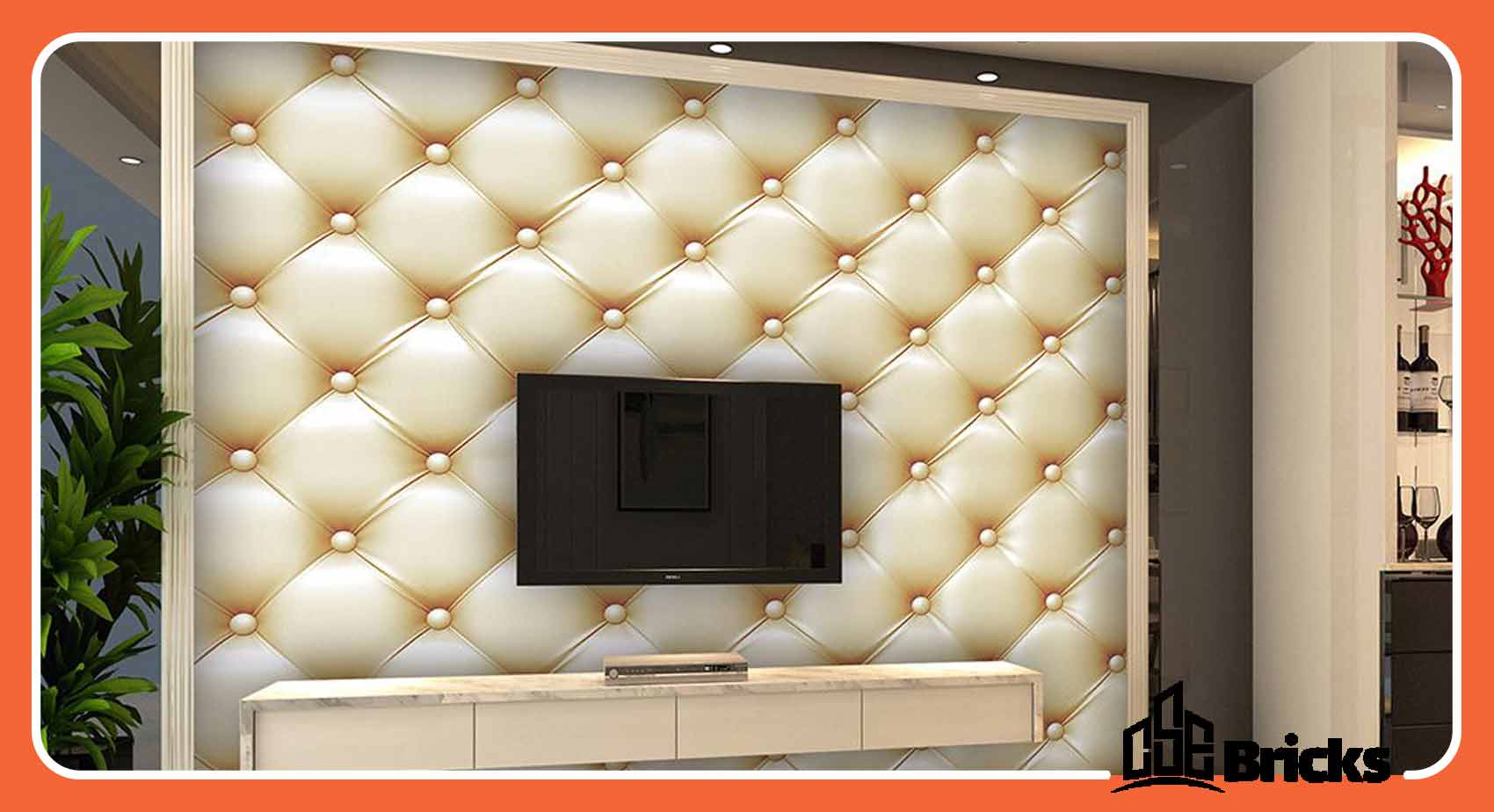
If you intend to create a luxurious and upscale space, the best choice for you is leather wall coverings. Leather coverings can be used in commercial buildings, residential buildings, and hotels. Most leather coverings are thick and soft, giving the environment a three-dimensional look. Additionally, due to their thickness, they act as insulation against temperature and sound. You can use this type of covering in conference halls, hotel lobbies, and homes. Leather Wall Coverings can be installed on building walls in two ways. In the first method, using industrial adhesives, both the desired surface and the back of the leather covering are coated with adhesive and allowed to dry slightly. Then, the leather is attached. The second method is for wall coverings that have self-adhesive backing, where you only need to remove the adhesive cover and carefully stick it onto the surface.
3D Wall Coverings
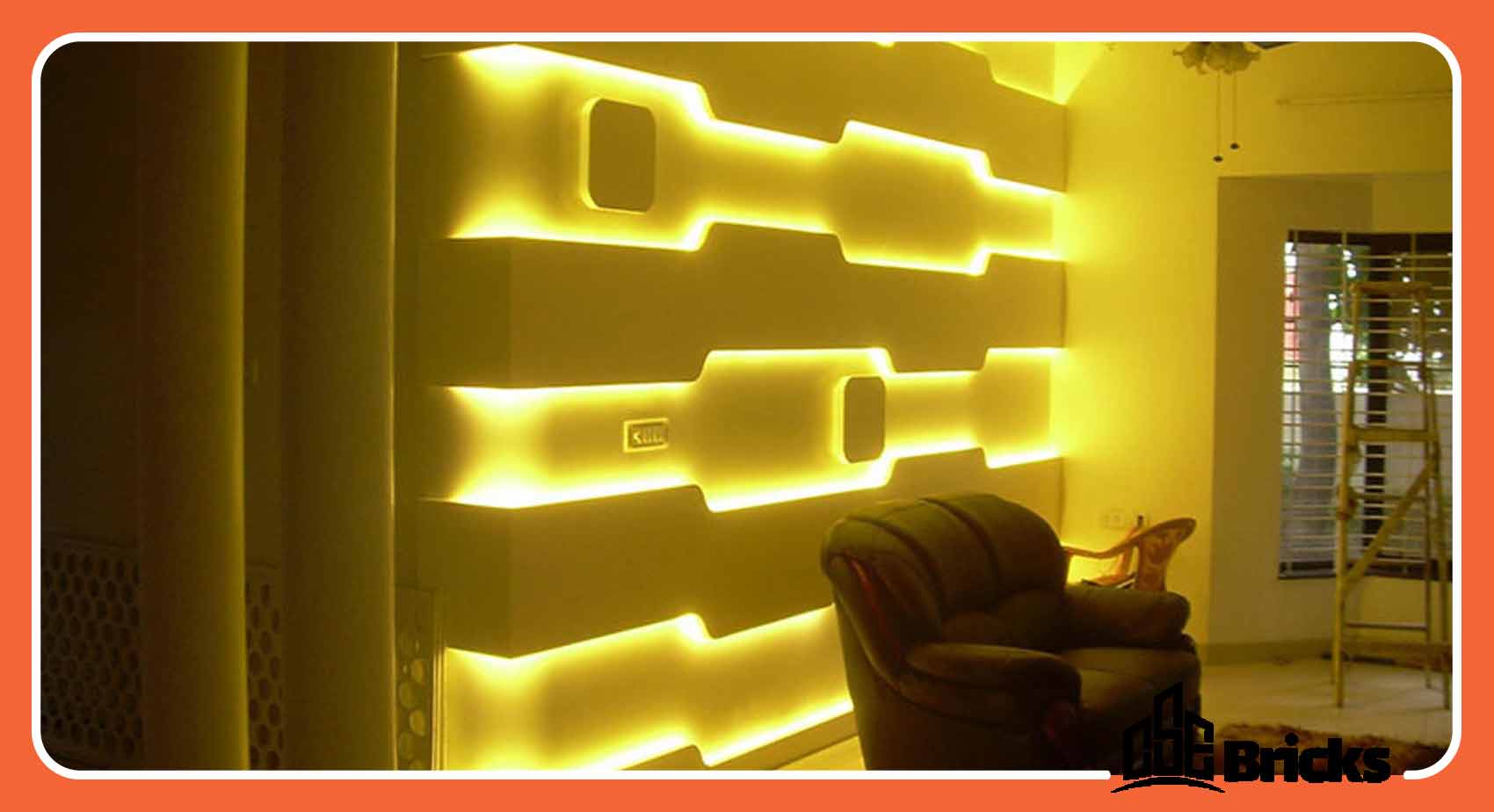
One of the newest types of wall coverings that have recently found their place in the market and attracted many fans are 3D wall coverings. These coverings are made of cellulose and have a raised texture. The protrusions are usually between 1 to 4 centimeters. The application of these wall coverings is in commercial, residential, administrative, educational buildings, restaurants, etc., and they give a luxurious look to the space.