


Blog
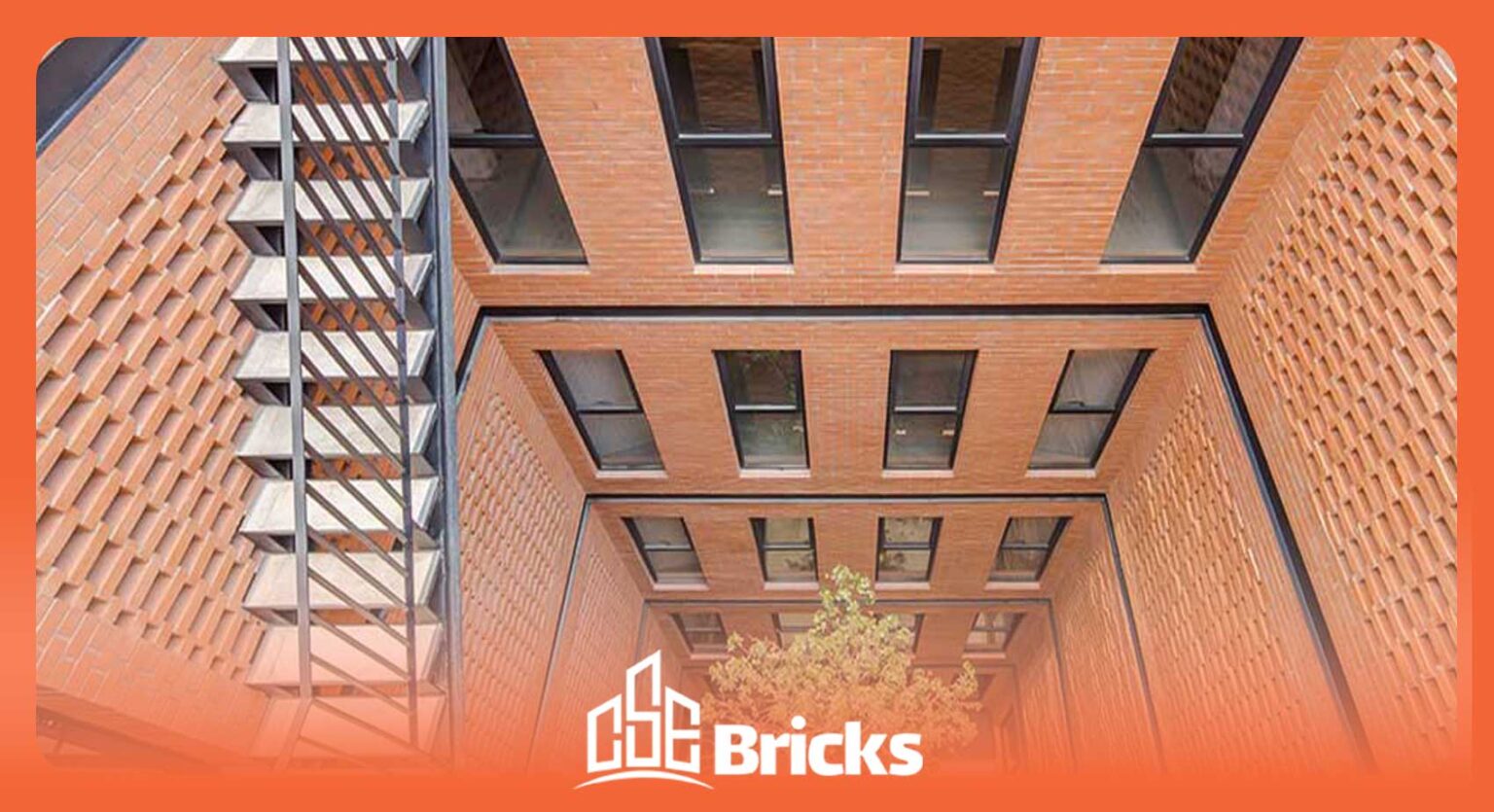
Introducing 5 of the most commonly used bricks
Even in ancient times, when civilization had not yet made its way among the people, the need for shelter was seen as an important necessity for living. Therefore, by combining clay, water, and straw, humans arrived at a material that, over the years and with advancements in construction, has become known to us as brick and is now available to us today.
What is a Brick?
Brick is one of the most commonly used building materials, produced from materials such as clay or other raw materials combined with water. This material is used in the construction of various structures, including building construction, pool construction, wall building, building facades, and more. These materials are often produced in brick kilns or special machines and are available in large quantities to builders and contractors.
Suitable Bricks for Building Construction
Bricks are used in various parts of construction depending on the raw materials used in them. Below, we will examine the suitable bricks for building construction.
(Get familiar with the different types of bricks in this article.)
-
Interlocking Brick
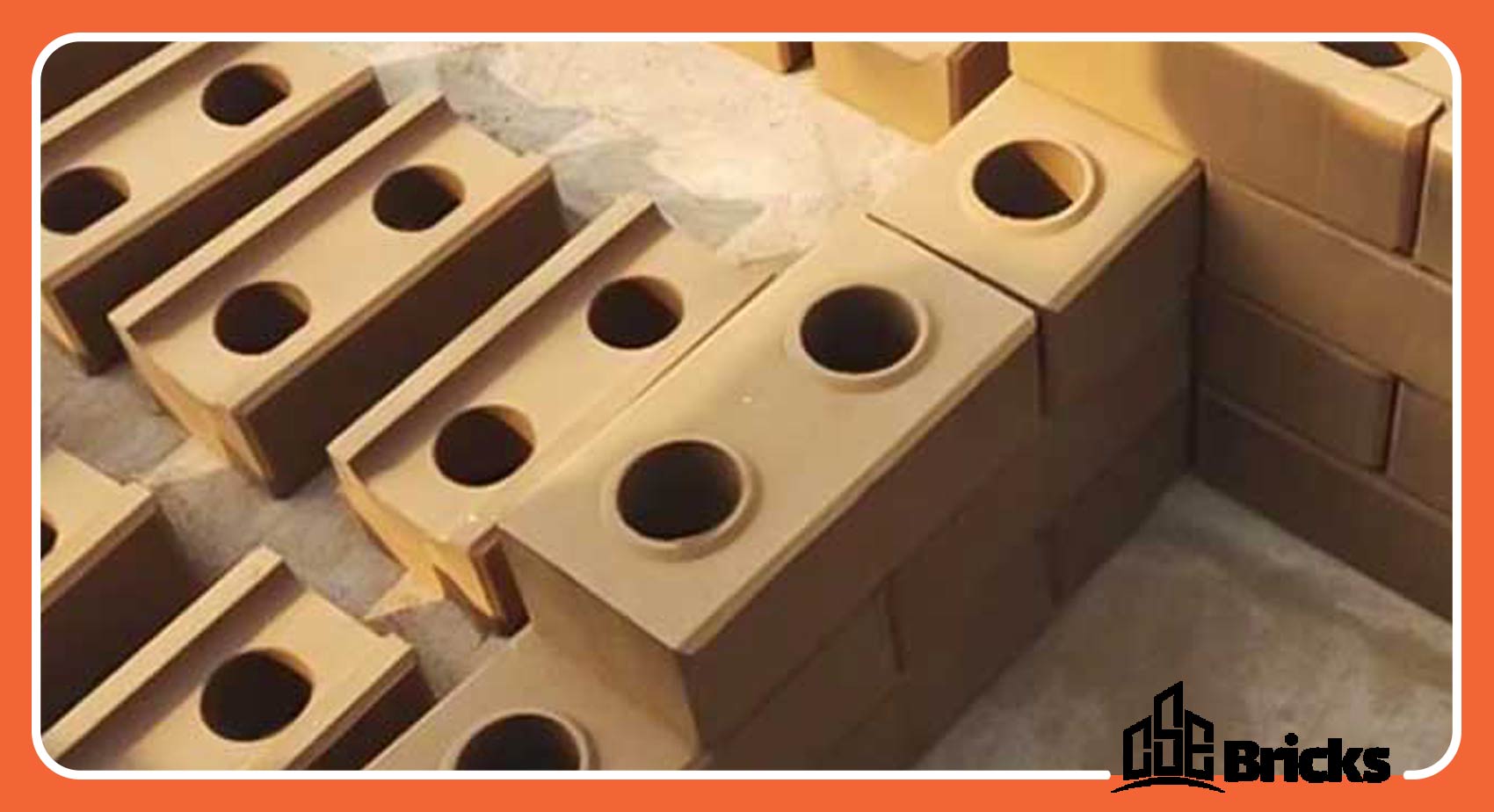
One of the most modern and practical building materials gaining popularity worldwide, especially in Iran, is the interlocking brick, also known as green brick. The popularity of this brick is due to its application in most parts of building construction, alongside its advantages for both contractors and property owners. This brick is used in the construction of two-story buildings (if the lightweight type is used, more than two stories are also possible) in partition walls.
The advantages for contractors in using interlocking brick include easy passage of installations and plumbing, no need for mortar, jointing, and plastering, no need for specialized skilled labor, and ease of working with interlocking bricks. Property owners will not regret using this brick either, as it acts as an insulator against temperature, sound, and earthquakes, making it one of the best choices for suitable building bricks.
-
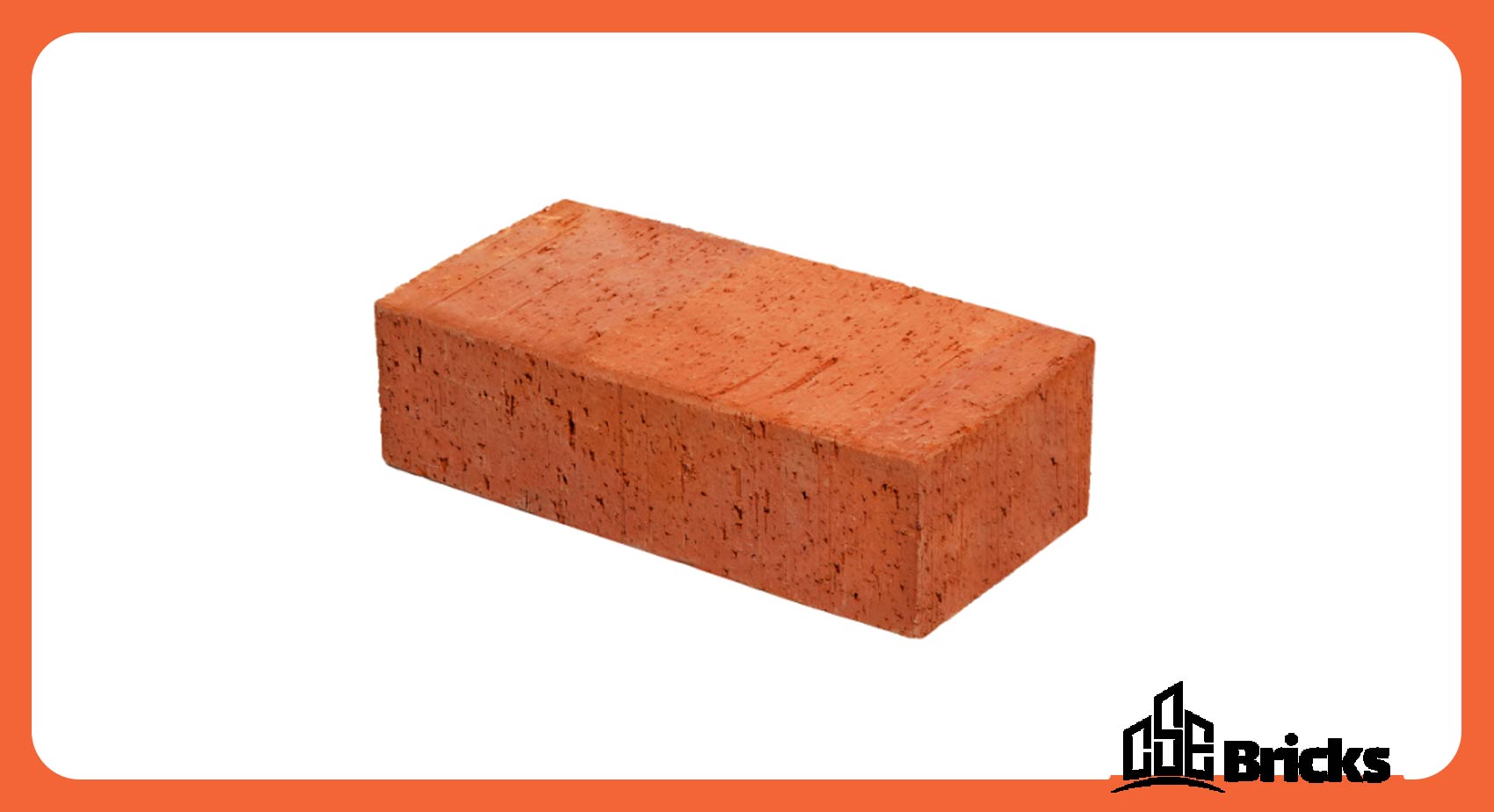
Gary Brick
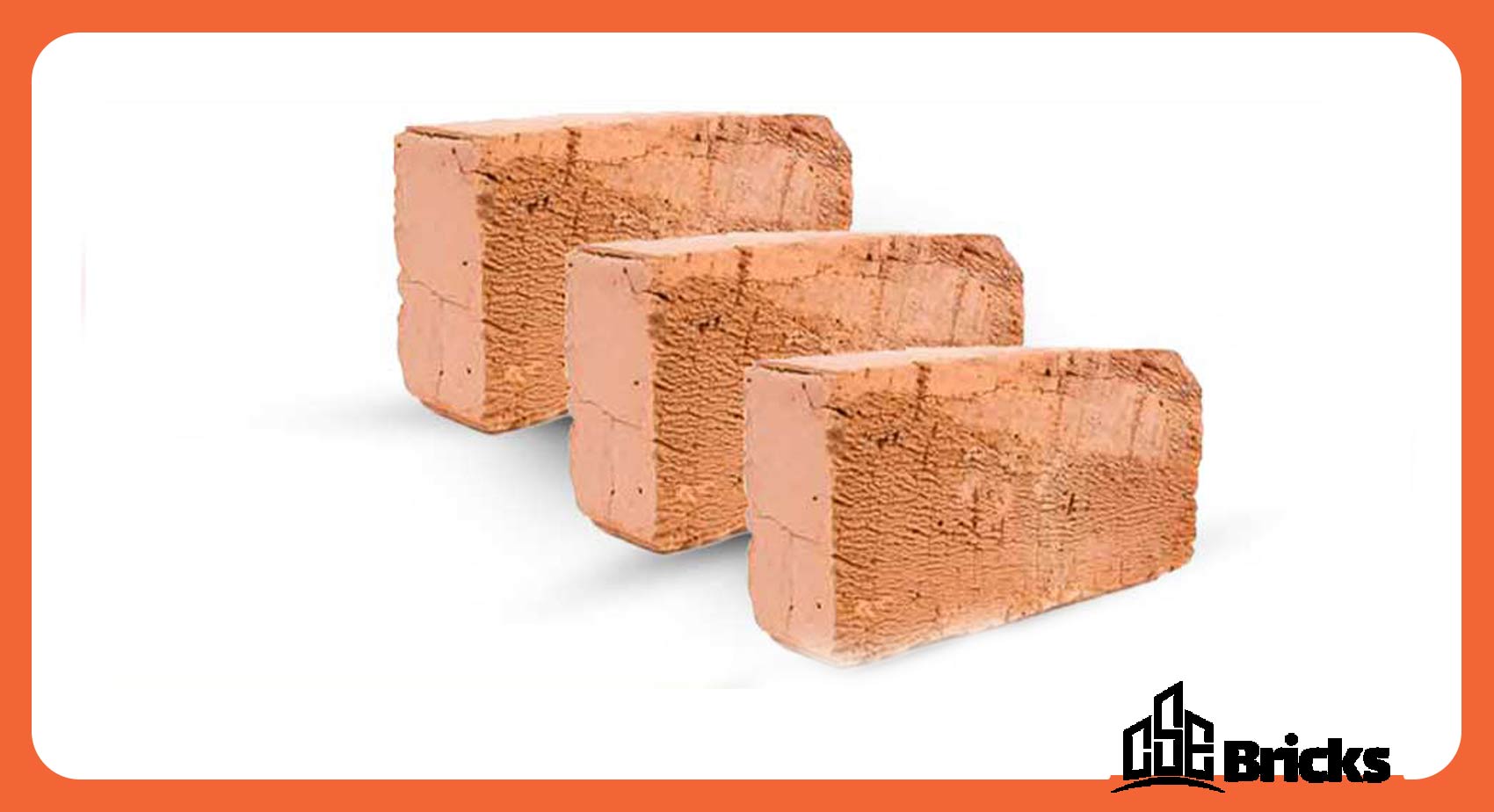
One of the most commonly used bricks in construction is the gary brick. This type of brick can be used in various parts of construction such as arches, brick patterns, load-bearing walls, and partitions. Compressed bricks are often used in structural work and foundational work, such as exterior walls or foundation laying. The reason these building materials are called grey bricks is because of their uneven surface, and the masonry work with them is also known as “gary brick masonry”. The production of compressed bricks involves baking in kilns after being hand-molded. In fact, since the corners of these bricks are pressed by hand to form, they are also called compressed bricks.
-
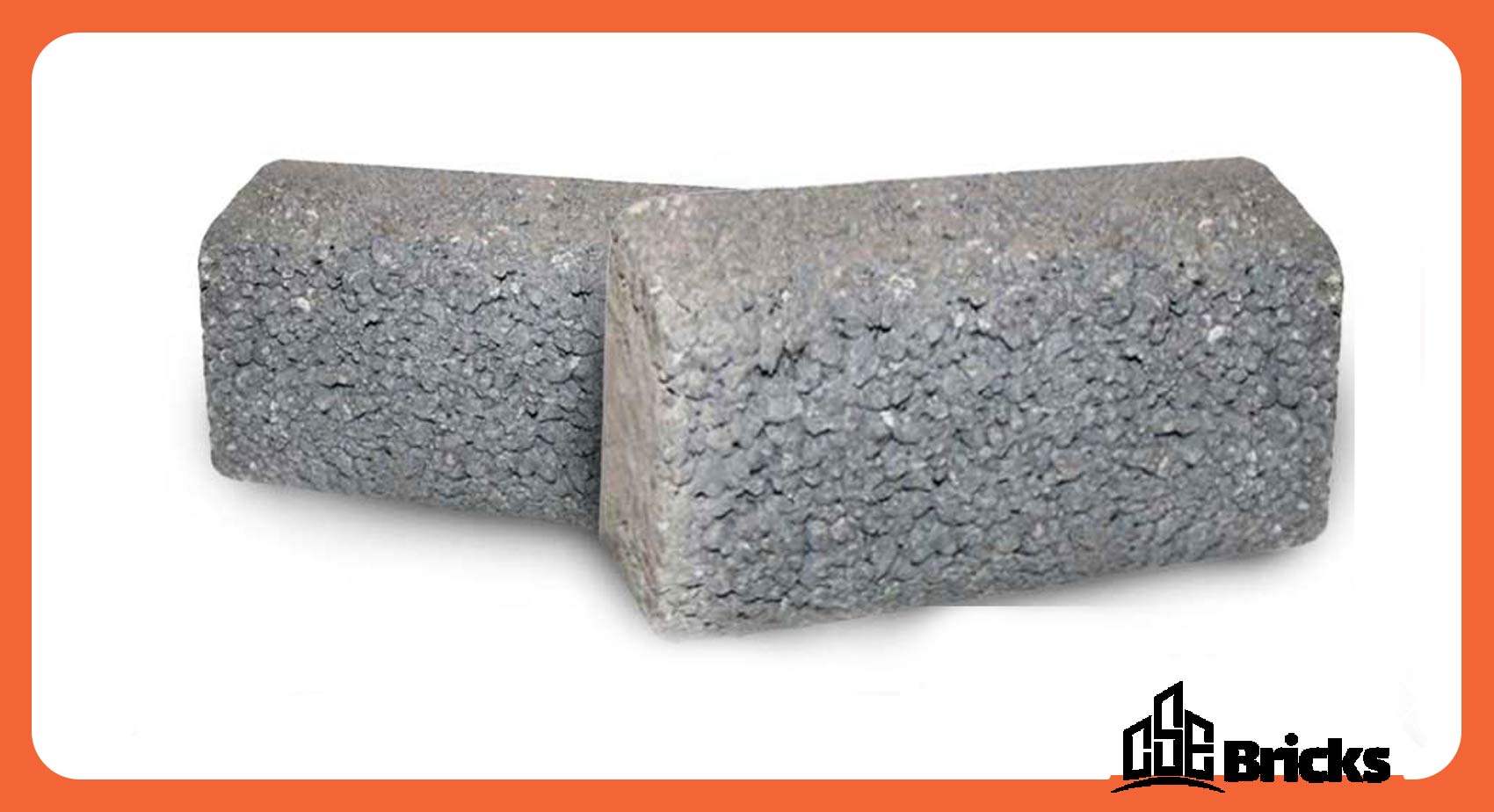
Concrete Brick
Concrete brick is a type of brick made from a mixture of cement mortar, sand and gravel aggregates, water, and other shaping materials, giving it an appearance similar to clay brick. The most significant advantage of this type of brick is its high strength, which acts as a strong insulator against earthquakes. Moreover, the porous structure of concrete brick allows it to absorb moisture, preventing it from passing through. Concrete brick is used in building construction for wall masonry and is considered one of the suitable bricks for construction purposes.
-
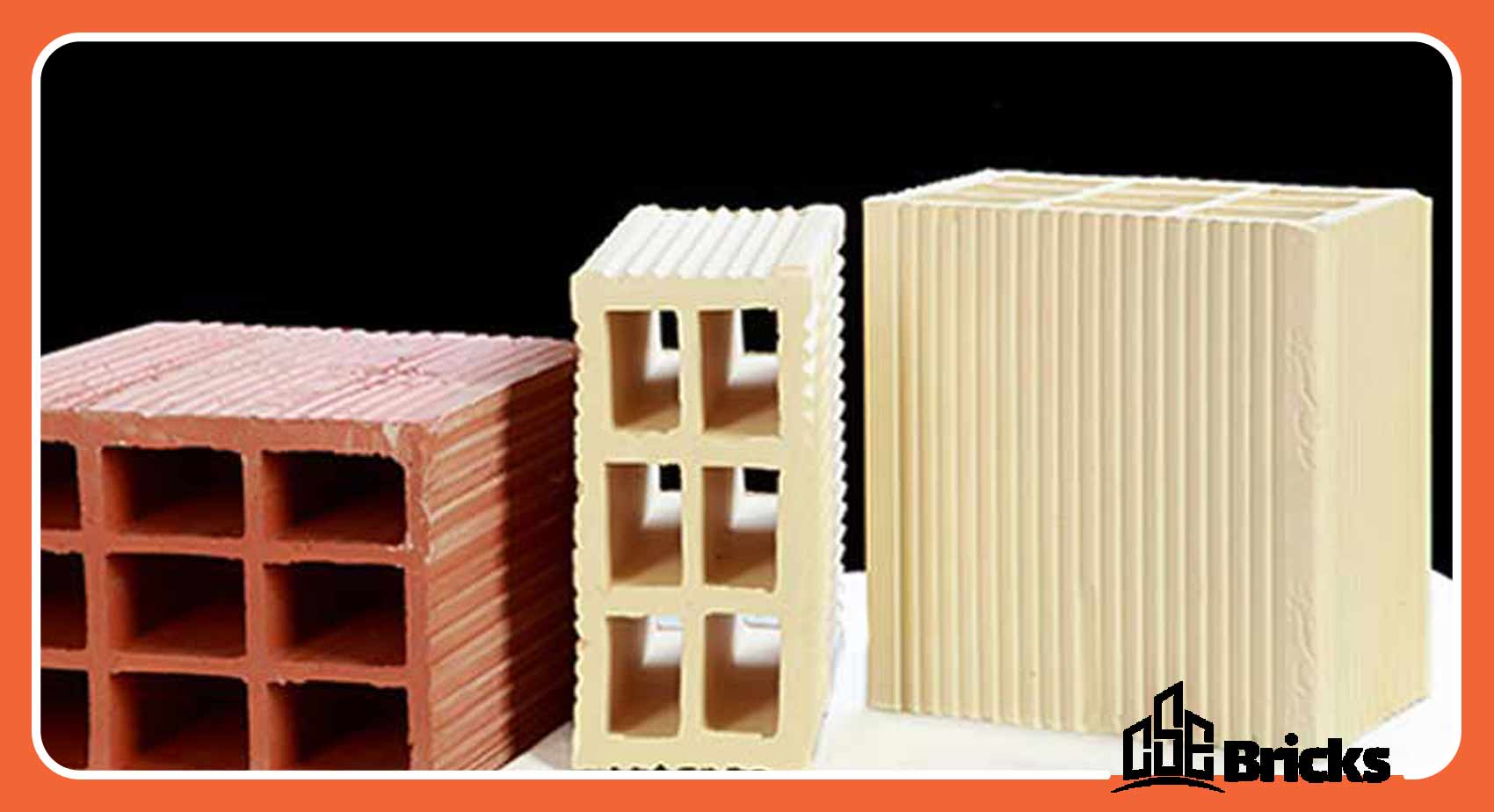
Partitioning Clay Brick
Partitioning clay brick is used in wall partitioning within buildings. Various types of this brick are utilized for this purpose. The most common type of partitioning clay brick on the market is the 15 cm brick. Other practical types include the 10 cm brick, which is produced in dimensions of 10x20x20 or smaller, foam-filled clay brick, and clay ceiling brick. Today, these bricks are produced in cubic shapes with horizontal perforations and are available in the market. The water absorption in partitioning clay brick is very low, making it one of the best bricks suitable for construction.
-
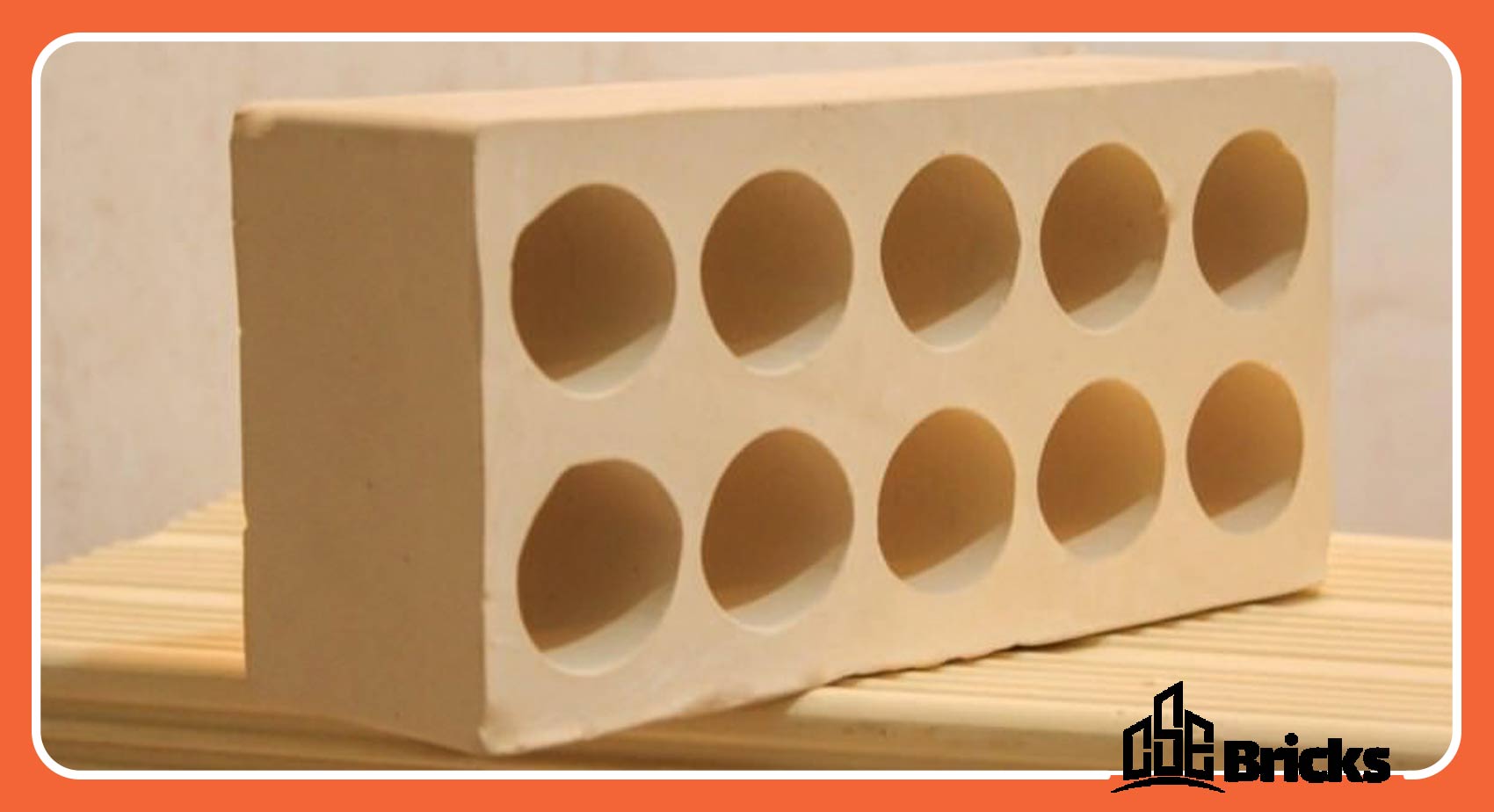
Lefton Brick
Lefton brick was first manufactured in Lefton village, Isfahan, which is why it is famously known as Lefton brick. However, it is also known by other names such as “Ten-Hole Brick,” “Bahmani Brick,” or “Perforated Brick.” This perforated structure allows Lefton brick to act as an insulator, preventing the passage of temperature and sound. Additionally, the presence of holes reduces the overall weight of the brick, which has numerous applications in construction.
Key Characteristics of Suitable Construction Bricks
What characteristics categorize a brick as suitable for construction
-
Uniformity:
- The most important feature of a good brick is its uniformity in color, size, and shape.
-
Appearance:
Bricks should be visually intact and free from defects.
-
Defect-Free:
A good brick should be free from any cracks and defects such as air bubbles, stone knots, etc.
-
Water Absorption:
A brick that absorbs more than 1.5 times its weight in water when submerged is not considered a good brick.
Which Brick is Best for Masonry?
Choosing the right brick for your construction project depends entirely on the type of structure you want to build and what you expect from your building. Therefore, there is no one-size-fits-all answer. In this article, we have reviewed the advantages of each type of suitable construction brick to guide you in making this important choice.