


Blog
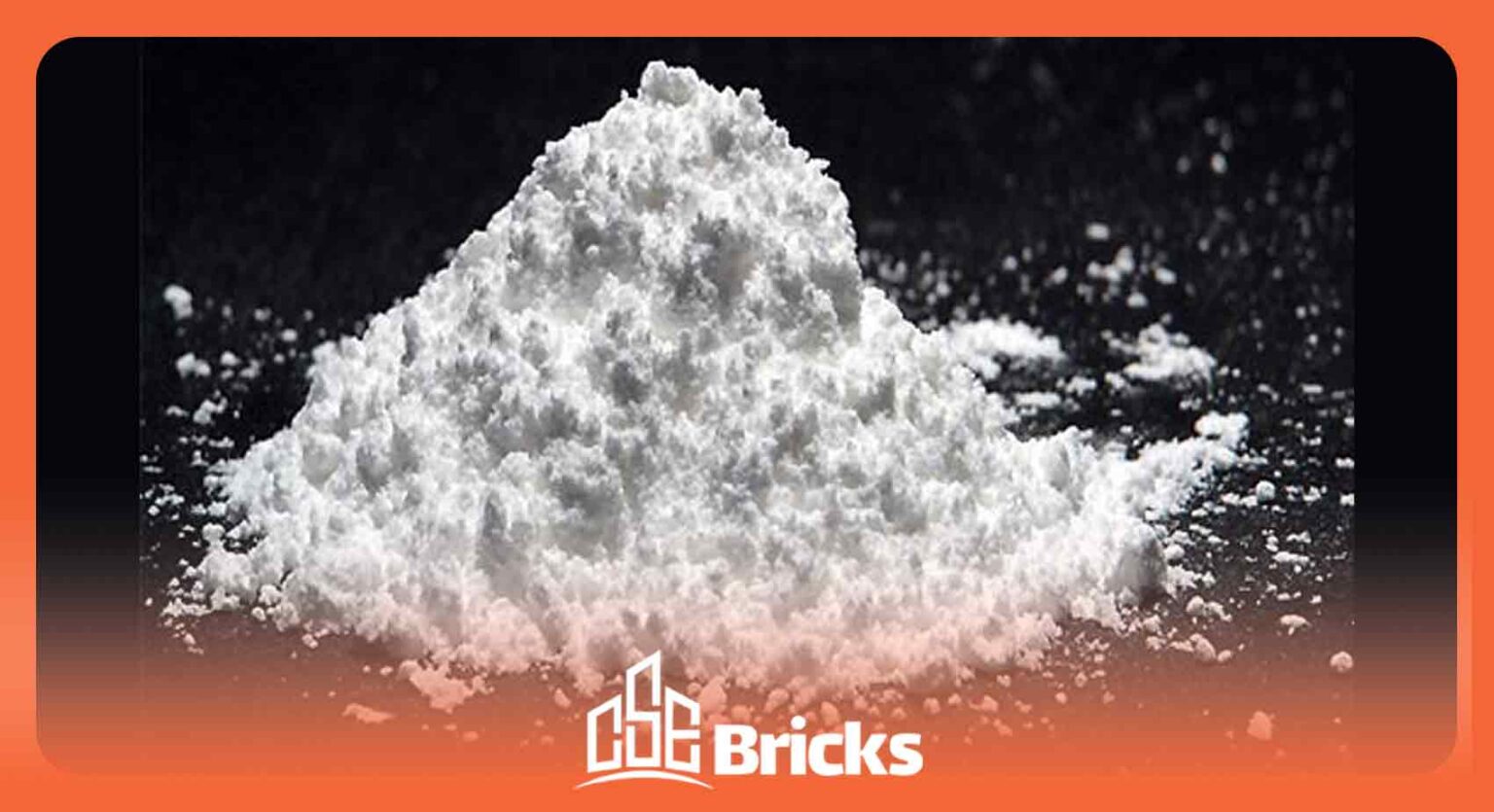
Applications, Advantages, Disadvantages of white cement
There are various types of cement, and white cement is one of the most common and widely used types. In this post, we will thoroughly examine it and introduce its advantages and disadvantages.
What is white cement?
One of the most common and best-selling types of cement is white cement, which, due to its white and uniform color, is primarily used in building facades. White cement is generally similar to gray cement, and the difference lies in their colors, which results from the removal of colored components from the raw materials used in its production. However, there are differences in the production processes of these two types of cement, which we will discuss further.
Recommended article: Read about cement
Components of White Cement:
White Portland cement contains less than 0.02% of its weight in iron oxide. In addition to iron chloride, gypsum and clinker are also used in the raw materials of white cement. To achieve a uniform white color, white cement clinker is added up to a maximum of 2%.
How White Cement is Produced:
The production process of white cement is similar to that of ordinary Portland cement, with the only difference being the addition of white color to the raw materials. It is worth mentioning that adding white color to the cement does not affect its cementitious properties.
-
Stage One: Crushing
Due to the fact that oxide colors are concentrated in fine particles, the raw materials are initially put into a crusher to separate the fine particles.
-
Stage Two: Grinding
The particle size of white cement must be smaller than that of OPC (Ordinary Portland Cement); therefore, the raw materials are ground.
-
Stage Three: Homogenization
One of the most important processes in the production of white cement is its homogenization.
-
Stage Four: Clinker Production
The clinker used in the production of white cement is white clinker.
White Cement Applications:
White cement has numerous applications in the construction industry.
Here are some of the key uses:
-
Building Facades:
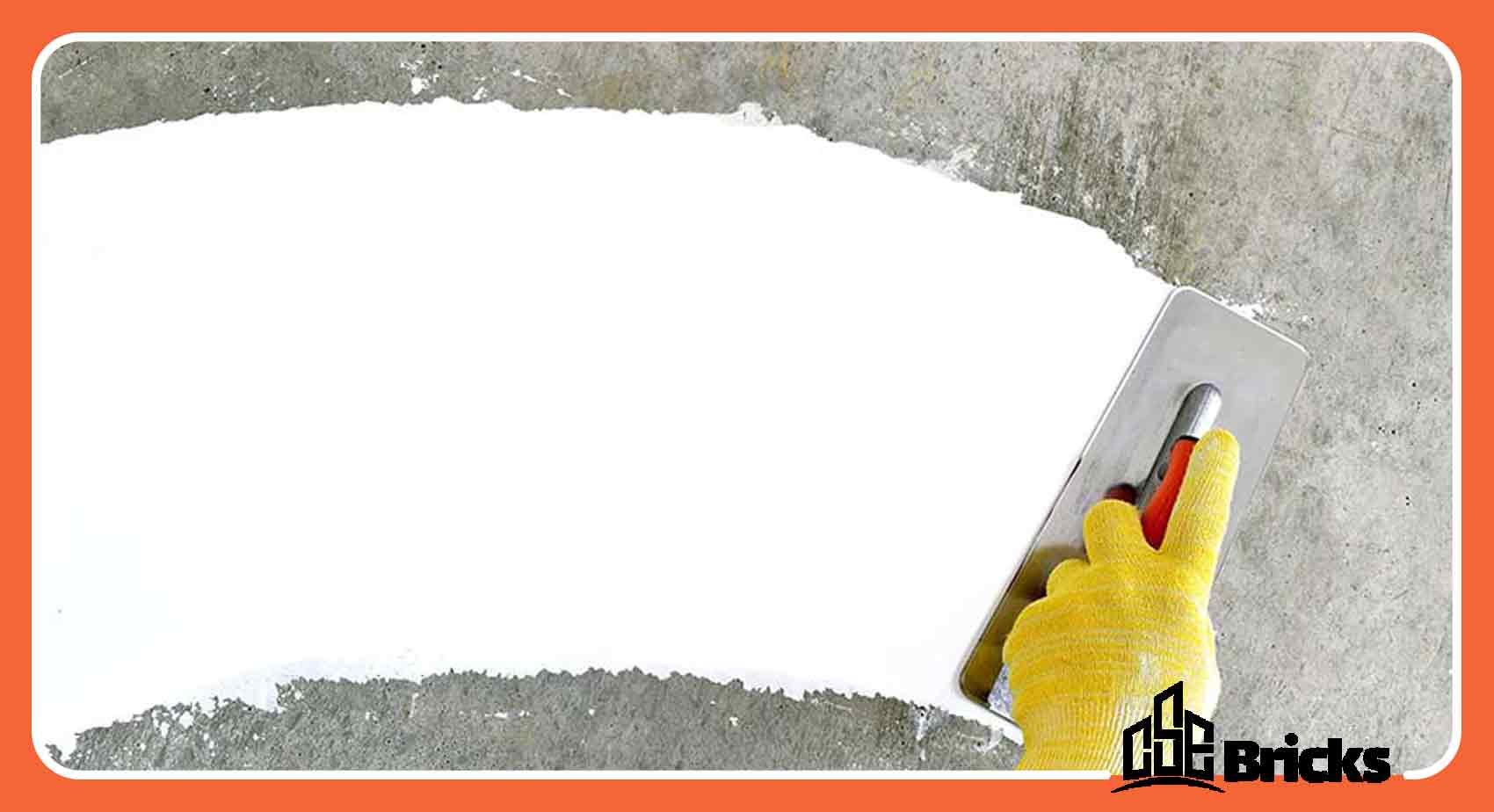
As mentioned, the most common application of white cement is in building facades. Its attractive white color makes this type of Portland cement an ideal product for facades. For facade work with white Portland cement, it is mixed with stone powder. The types of facades that can be created with white cement include Roman facades, hammered facades, washed cement facades, and spray facades. However, there are differences in the raw materials and methods of using cement in them.
-
Grout Between Tiles and Ceramics:
White cement is used to cover the gaps and spaces between tiles and ceramics.
-
Concrete Construction:
Ordinary cement is typically used for making concrete. However, white cement can also replace gray cement in concrete production. Since appearance is not a significant factor in concrete construction and the cost of white cement is higher than ordinary cement, it is not economically viable.

What are the Advantages of White Cement?
White cement has numerous applications due to its outstanding advantages.
-
Thermal Insulation:
White cement has a high tolerance for heat and offers good resistance to fire compared to other types of cement.
-
Water Resistance:
When used correctly in construction, white cement prevents water from penetrating into the structure.
-
Color Mixing Capability:
The neutral white color of the cement allows it to be combined with other colors, making it suitable for use in decorative facades.
-
Energy Saving
The white color reflects light. Therefore, when the surface of a structure is made with white cement, it prevents energy loss.
Disadvantages of White Cement
No product is without its drawbacks.
White cement is no exception to this rule.
-
Lower Strength:
White cement has less strength compared to ordinary and gray cement.
-
Setting Time:
White Portland cement sets in a short period of time, which makes the work somewhat difficult for stone carvers.
-
Cost:
White cement costs approximately four times more than ordinary cement.